

Much is said about the young people of today. To some, they’re a radical group harbouring idealistic views, going against decades of political tradition through sympathy for populism on both the left and right. To others, they’re the victims of the worst the modern world can offer, deserving of society’s empathy. To many, they’re simply a group not often heard from, with views not closely examined. How do the young people of today feel about the state of the world, their lives and futures, and how could this shape our country in the decades to come?
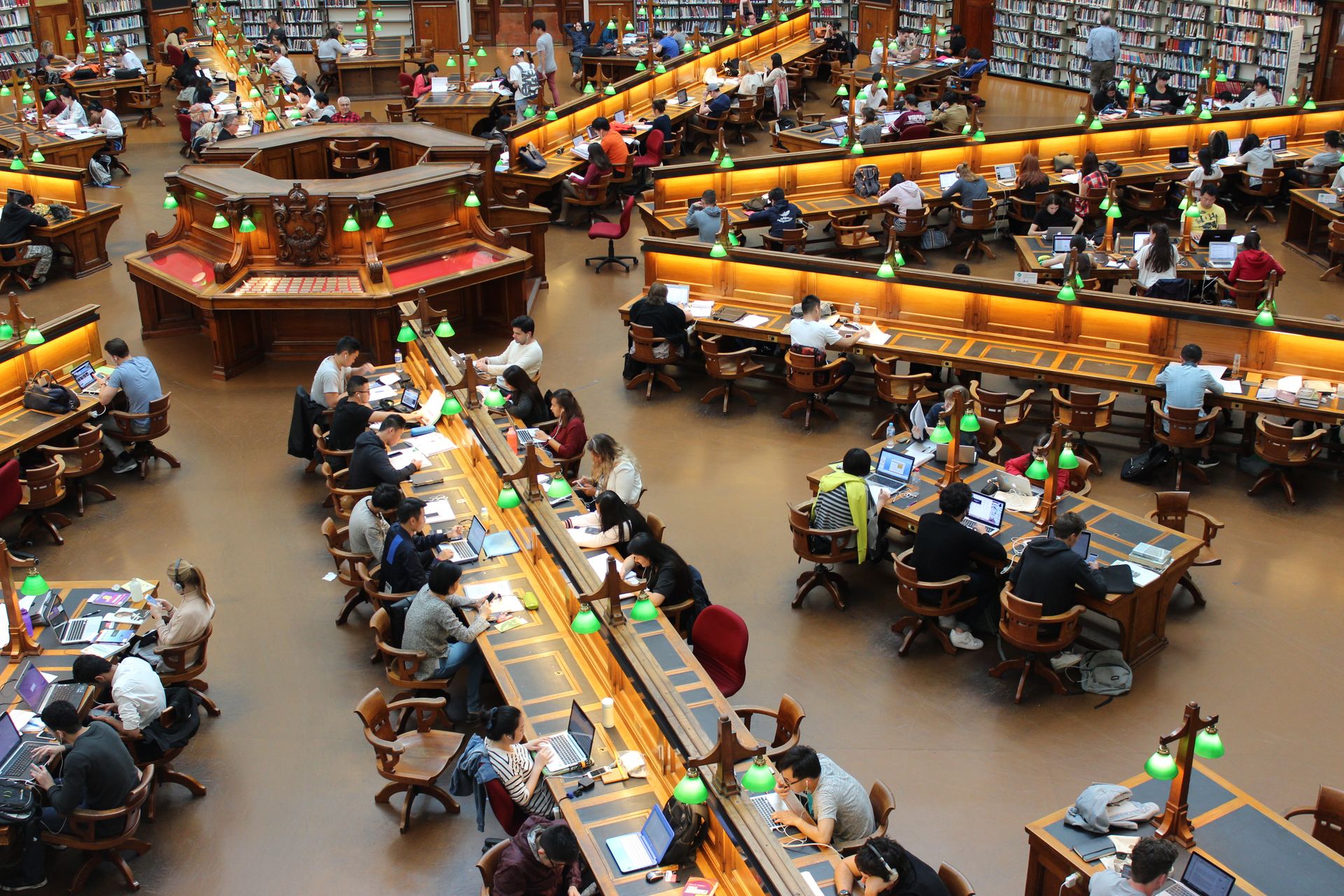
I spoke in-depth to six different 21-year-olds in Leicester about their mood as they navigate early adulthood. Each one of them offered a different perspective on what it means to be 21 today. Some were at university, some were not. Some followed politics, some did not. Between them, they formed a small but revealing snapshot of the mood among 21-year-olds in Britain today.
Anxieties
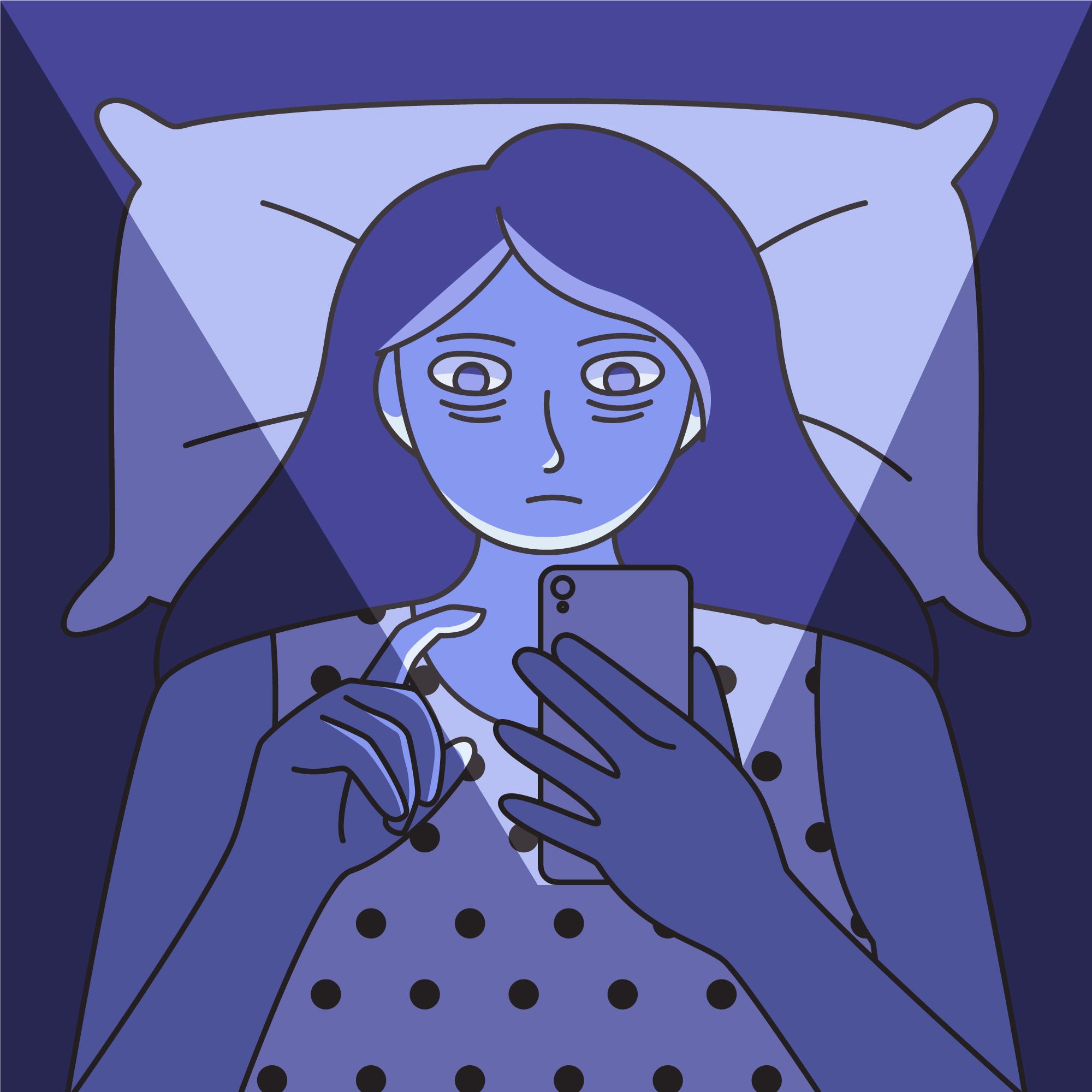
Recent polling by the John Smith Centre found that 56% of Gen Z Britons (those born between 1997 and 2012) say that they feel anxious at least once a week, and that the biggest contributor to this is financial worries and employment pressures. I wanted to see if this was reflected among the 21-year-olds who I spoke to. Lewis, a final-year student from a town in the Midlands, told me he felt this unease strongly. In the university’s cafeteria, in between revision sessions for his upcoming engineering exams, he told me: “There are so many unknowns at the moment. I don’t know where I will end up living after university, whether I will be able to afford to live, whether I will be a parent. I’m not really sure what I want out of life.”
This uneasiness at what the future holds was echoed by Andre, a student who moved from London to Leicester to study. I asked him how he felt about his future. “I’m actually glad you asked me this because the other day I just sat down and thought: I am about to finish university with no guaranteed job, no support, no money, no guidance. It feels like I’ve always been told what to do and how to do it, and now I’m being chucked into the world and left to fend for myself.”
Fears about employment post-graduation were a recurring concern. The most recent data shows that only 56% of graduates were in full-time employment 15 months after graduation and, this year, vacancies in the job market fell to their lowest level in five years. This was reflected among the 21-year-olds I spoke to, all of whom worried about finding a stable job in the future.
Some felt more optimistic than others, though. Ryan and Jess, a couple from a semi-rural town, did not attend university. “We feel mixed about the future. There are more opportunities for us these days than when our parents were growing up, especially for women.” The issue of employment was still a key concern, though. In a pub garden, Jess told me about the struggle of trying to find a full-time job. “I’ve been working in a café part-time, but I’ve been trying to find full-time work for the past two years. It’s impossible without prior experience, which I haven’t got. I’ve applied for everything other than care work. I’m sure I’ll find something eventually, but it’s tough right now.”
By the time I sat down with Leah and Riya, two students who had moved from London for university, it had become clear that employment and the cost of living were the central issues for all of these 21-year-olds. “The cost of living is the main issue for us,” they told me. “No-one can afford to move out because it costs so much. When we’ve finished our degrees, we want to move back home to London, but we just don’t think we can afford it. The cost of living is putting people off pursuing what they want because of the price.” Riya considered staying in Leicester for a master’s degree but decided that she could not afford it. “I’d like to do one, ideally, but when I saw the cost and factored in everything else, I just can’t afford it. I don’t have family that can back me up like other people.”
Andre, who is also originally from London, said the same. “I’d love to live on my own in London, but I think I will have to move back home after university. There’s a housing crisis and I just can’t afford it.” For him, the rise in the price of fast food crystallised this feeling. “Everything has gone up in price. Why are chicken wings now £5? It’s making me really depressed about the world. I think things would definitely have been easier if I was born 20 years earlier.”
Need for change
Whilst all six agreed that change was needed in order to make their lives better, only two told me that they supported radical change, with four saying, as Jess put it: “Things need tweaking a little bit. I’m not in favour of smashing up the system.” Lewis echoed this sentiment. “I think we need change, but I’m sceptical about radical change. The NHS, for example, is in a mess, but if we tried to radically change things it could take years and lead to more problems.”
The two who supported more root-and-branch change, Leah and Riya, connected it more explicitly to politics. Leah told me: “I support radical change. We’ve had a two-party system, and nothing has worked. We just flip between the two and nothing changes.” Leah and Riya were the most politically engaged of the group: “We follow politics, I [Leah] voted Green and she [Riya] voted Labour in the last election, but we don’t like Labour anymore, as they’re too centrist. We won’t see the radical change that we need through that.” They mentioned Zack Polanski, who has recently enjoyed a surge of support among young people. “I like Zack Polanski,” Leah tells me, “I think he’s realistic about what we need. He sticks to what he believes. He says what the problems are and how he’ll fix them.”
Lewis was also a fan of Polanski and had seen his content on social media. “I like Zack Polanski and what I’ve seen. I think he’s true to his principles, which is rare in politics. I agree with a lot of what he’s saying: he supports LGBT rights, trans rights. It’s refreshing to see someone saying those things.” Speaking to the three who were fond of the Greens, it felt as though their support was driven by a sense that the Greens were a party that represented and stood up for young people, just as much as by policy.
They weren’t all as political as Leah, Riya and Lewis, though. Ryan and Jess, the two non-students I spoke to, had never voted, and did not follow politics closely. Ryan said: “When I have a house and I am more involved and informed, I will vote. I don’t really see the point right now.” Andre had not been political until recently, when he’d started following politics in response to anger over rising costs. “I haven’t voted before; I always thought that my vote wouldn’t make a difference.”
Andre spoke of what he saw as distance between politicians and young people: “They’re all old people and they don’t know what life is like for students like us. I like what Reform are saying on immigration,” he told me. “I agree that we need to protect our own. Where I live, there’s a 30-year waiting list for a council house, but people who come over get put up in a hotel. I think we should be prioritising people in the UK.” He was cautious about Nigel Farage, though: “I do feel like he’s telling people what they want to hear. I’m not sure if I can trust him, especially after Brexit.” The group reflected some of the divides among young people today. Those who followed politics tended to hold more clearly left- or right-leaning views, with immigration a key dividing line between them.
Division
This theme continued when I asked the six 21-year-olds if they felt that the UK was too divided. In John Smith Centre polling of Gen Z, 72% said that they felt that the UK had become too divided. In the group they all agreed, but were not united over the cause. Those who expressed more left-wing views saw responses to immigration as part of this division. Leah and Riya told me: “The country is really divided, and Reform, the cost of living and immigration are part of it. All these people who haven’t worked hard in life are looking for someone else to blame.” Riya used to work part-time in a hotel and brought up the issue of asylum seekers, which she saw as a significant element of the division. “We had asylum seekers at my old hotel. I used to feel sorry for them. People say they’re in hotels but, in reality, it’s just accommodation. They were all cramped in one room with no cleaning. People are just uneducated and lack empathy.”
Immigration being a source of division came up in my conversation with Lewis, too. “We feel very divided; there’s so much bad feeling over immigration.” He joined Leah and Riya in arguing that discontent over immigration was often personal: “It feels like people who are anti-immigration are bitter and jealous and reflect their own problems onto immigrants. You’ve got people who haven’t bothered to work for five years scapegoating immigrants.” Andre, who said that he was sympathetic to Reform’s messaging, also pointed to immigration as a key element of division, but in a different way. “We’re more open to immigration, which is dividing us. People are going ‘fuck it’ and voting Reform. I’m not surprised.”
Ryan and Jess, who did not follow politics closely, joined Leah, Riya, Lewis and Andre in stating that Britain felt too divided, a unanimous view among the group. For them, social media and racism were driving this division. Ryan told me: “There was more of a community when my parents were growing up. Sadly, it feels like social media has made us more divided.” He brought up Tommy Robinson, who he had seen online: “There are a lot of people who like what he’s saying and some who don’t. I personally think he’s quite racist and extreme and social media fuels that.” Social media was a recurring theme in our discussion of division, and all six agreed that a fusion of misinformation and polarisation was fuelling increasing discord in British society. Lewis summarised what the group said well: “Social media is really misleading people. I get 99% of my information there, but I know it’s very easy to get misled. I think it’s a real issue today.”
Optimism
As I ended my conversations, I wanted to understand if, despite this, the 21-year-olds I spoke to felt optimistic about the future. The John Smith polling showed that, despite widespread dissatisfaction with the cost of living, housing, and employment, 63% of Gen Z said they think they will be better off than their parents. Lewis, despite expressing concerns about the future, echoed this view. He told me: “I do feel optimistic about the future. I think, in the grand scheme of things, the issues that we’re talking about are trivial. We’re lucky enough to be living in a wealthy country with great opportunities.” “I do feel proud to be British,” he added.
Ryan and Jess felt a similar way: “We’re more optimistic. Things can get better and, at the end of the day, I think we will have better lives than our parents.” Leah and Riya were less optimistic, though. Leah went on to say: “I can’t find a graduate job or a house, and everything is too expensive these days.” Andre was hesitant when I asked him if he believed he would have a better life than his mum: “I’m not sure. It comes down to hard work and the economy, which we don’t have much control over. I think young people today have more drive than previous generations, though.”
Concluding thoughts
What was striking from my conversations was the contrast between the almost universal agreement that young people had been let down by rising costs, housing and employment opportunities, and the disagreement over what the solution should be. Some had opted for left-wing solutions, some sympathetic to the solutions posed by Reform and the right, and others sceptical of radicalism and favouring incrementalism. This may reflect a wider polarisation among young people, who are increasingly being drawn to divergent solutions to the problems they find themselves living in. That young people view the world through the lens of social media was obvious from my conversations. All the 21-year-olds that I spoke to were regular users of it but saw social media as a core driver of division, as well as one that shaped their own personal views.
If we are to understand what our country may look like in the decades to come, we must understand the views of young people today. What cannot be avoided is that every 21-year-old I spoke to, regardless of their demographics or whether they were at university or not, above all, saw housing, employment, and the cost of living as the prime issues facing them and their lives. Lewis, in our final words together, put it well: “One day, the older people won’t be around at some point, and it will be left to us. I don’t know what will happen, but the world will reflect how we feel now.”
Names have been changed.
.svg)
James is a third year Politics and International Relations student at the University of Leicester. Interested in British politics and political parties.
.svg)

.svg)
.svg)