
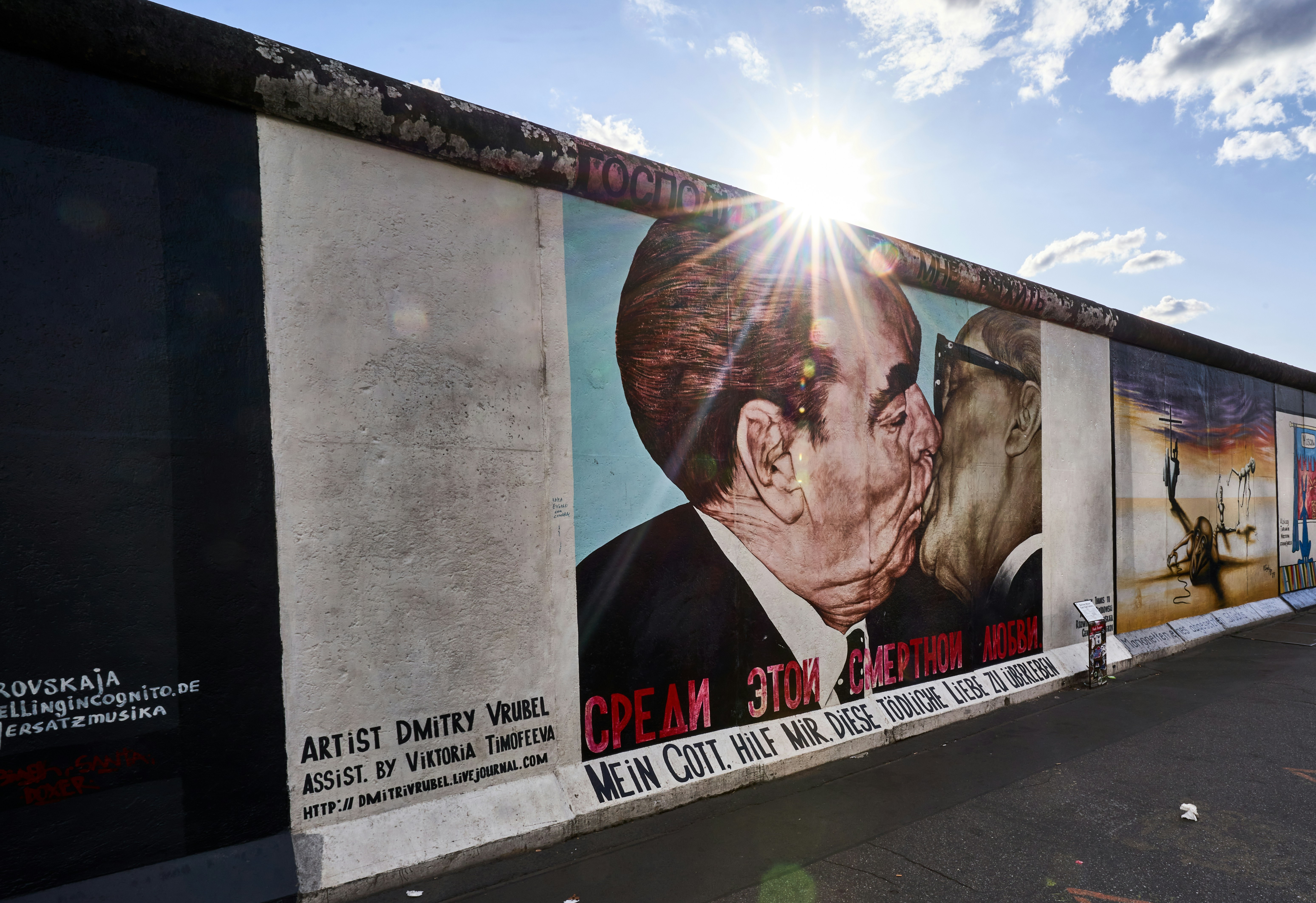
Image - Norbert Braun
The Berlin Wall fell on the 9th of November 1989, with this month marking thirty-six years since the event that changed the physical and political landscape of Germany and Europe, dismantling communist regimes. A spokesman for East Germany, Günter Schabowski, announced East Germans could travel to the West immediately. East Berliners began pushing through and joining their friends and families in the West, which led to them physically tearing down the wall, dismantling the structure of division and control.
The wall was constructed when leaders of Britain, France, the US and the Soviet Union decided how to divide Germany following World War II at the Potsdam Conference in July-August 1945. The Cold War exacerbated divisions between the East and West of Germany, which led to the split into the independent nations of the Federal Republic of Germany (West Germany) and the German Democratic Republic (East Germany). The West allied with the Western powers, whilst the East allied with the Soviets. By August 1961, construction had started to build the wall that encircled West Berlin and separated it from the East. In the twenty-eight years that it stood, over one hundred people died trying to cross it.
At the time, the wall’s fall marked the beginning of German reunification, with the West German Chancellor Helmut Kohl proposing his program to reunite the nation. Crucial to this was the amalgamation of the economy, which led to the abandonment of the East German Mark for the Deutsche Mark under one economic system. The Chancellor met with President Gorbachev on the 16th of July 1990 in Moscow. At this meeting, it was established that Germany would operate independently, free to join NATO with some military restrictions in place. Germany officially joined NATO on the 3rd of October 1990, the same date the country was unified and Berlin was restored as the country’s capital. This led to ongoing discussions over German identity, unity and memory that still exists in German politics today, marked by the continued tension between national and European interests, historical responsibility and the reemergence of far-right nationalism with the AfD party. Perhaps the most significant impact on modern politics was the symbolic nature of the wall marking the fall of the Iron Curtain and the end of the Cold War. The destruction of it demonstrated the now fragile nature of Soviet rule, which could no longer control the states that had economically stagnated and which had seen much public unrest. The unification that followed acted as a catalyst for many of the revolutions of 1989, which ultimately led to the collapse of communism in Central and Eastern Europe.
Just a day later, Bulgaria's communist leader Todor Zhivkov resigned, leading to the establishment of a free media, independent trade unions and opposition groups. This allowed the country to begin elections for a Grand National Assembly, ending 46 years of communist rule since the coup of 1944.
Street protests in Czechoslovakia in the wake of the collapse of other communist governments led to the Communist Party announcing that it would dismantle the single-party state by renouncing its leadership on November 28, 1989. This led to reinstated access to the borders of Austria and West Germany in December and the appointment of the first majority non-communist government in the country since 1948. The first democratic elections since 1946 were held in Czechoslovakia in June 1990.
The Romanian communist dictator was executed on Christmas Day of 1989, leading to a violent revolution in the country. Following these significant losses in countries that had acted as communist strongholds, along with the signing of the Belavezha Accords by Russia, Ukraine and Belarus on December 8, 1991, the Soviet Union was formally dissolved on December 26, 1991. President Mikhail Gorbachev resigned the day before.
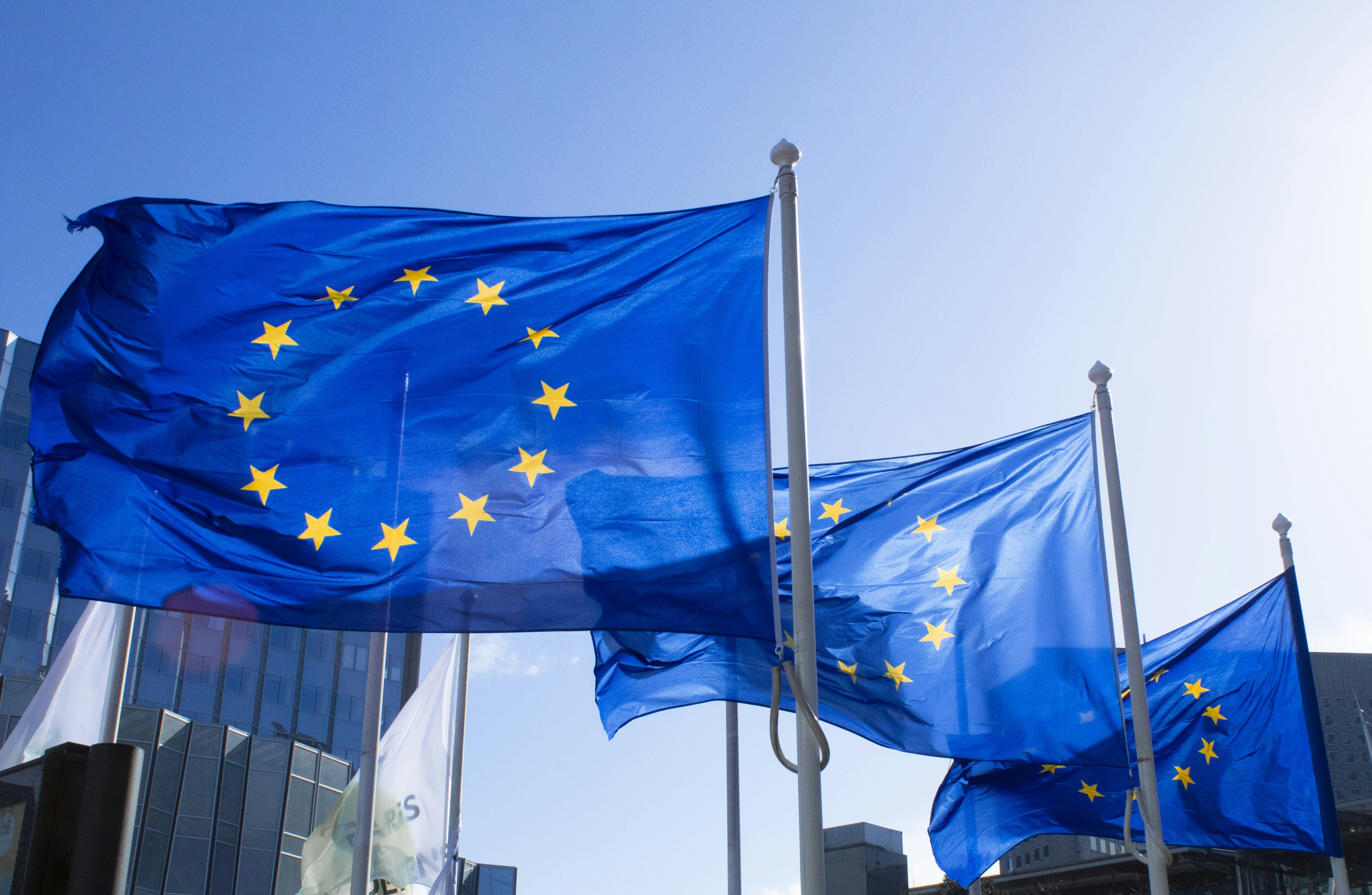
Leaders of Britain, the US, France and the USSR were concerned about a newly unified Germany and a people angry about the sanctions placed upon them in the wake of two world wars. However, West German politicians were eager to reassure both the German people and the international community that this reunification marked a closer relationship with its Western European neighbours. When the European Union was founded in 1992 to secure lasting peace and cooperation between nations, Germany willingly joined and actively contributed.
Former Warsaw Pact nations also joined the EU and NATO, including the Czech Republic, Hungary and Poland in 1999. This was a positive step towards European peace and stability following the Cold War and the fall of communism. Their membership allowed these ex-satellite states the right to self-determination, security and freedom. In the current day, however, Russian leader Vladimir Putin has contested NATO’s expansion as a threat to his rule and has suggested that the potential for Ukraine to join could lead to a Russia-NATO nuclear conflict.
Germany’s permitted involvement in international organisations was significant as it had been prevented from joining the League of Nations following the First World War, and only West Germany had participated in the United Nations and NATO. Today, Germany is the sixth strongest military power within NATO. Since Russia’s invasion in February 2022, Germany has provided Ukraine with just under 44 billion euros worth of aid. German troops are also involved in a variety of significant UN peacekeeping missions, including in Cyprus, Lebanon and South Sudan.
The fall of the Berlin Wall symbolised a collapse of Soviet communism and a reunification of a nation in turmoil. With the fall of the USSR, the EU and NATO expanded across the continent, whilst the US became dominant in many industries as a key trading partner with European nations. Ideas of nationalism and border tensions remained, some of which have reemerged in the twenty-first century.
.svg)
Megan is an MA History student at the University of Birmingham. Her main interests lie in UK politics and current affairs, interested in social and cultural impacts. Aside from politics, she enjoys visiting historical sites, reading and hiking!
.svg)
.svg)
.svg)
.jpg)