
.jpg)
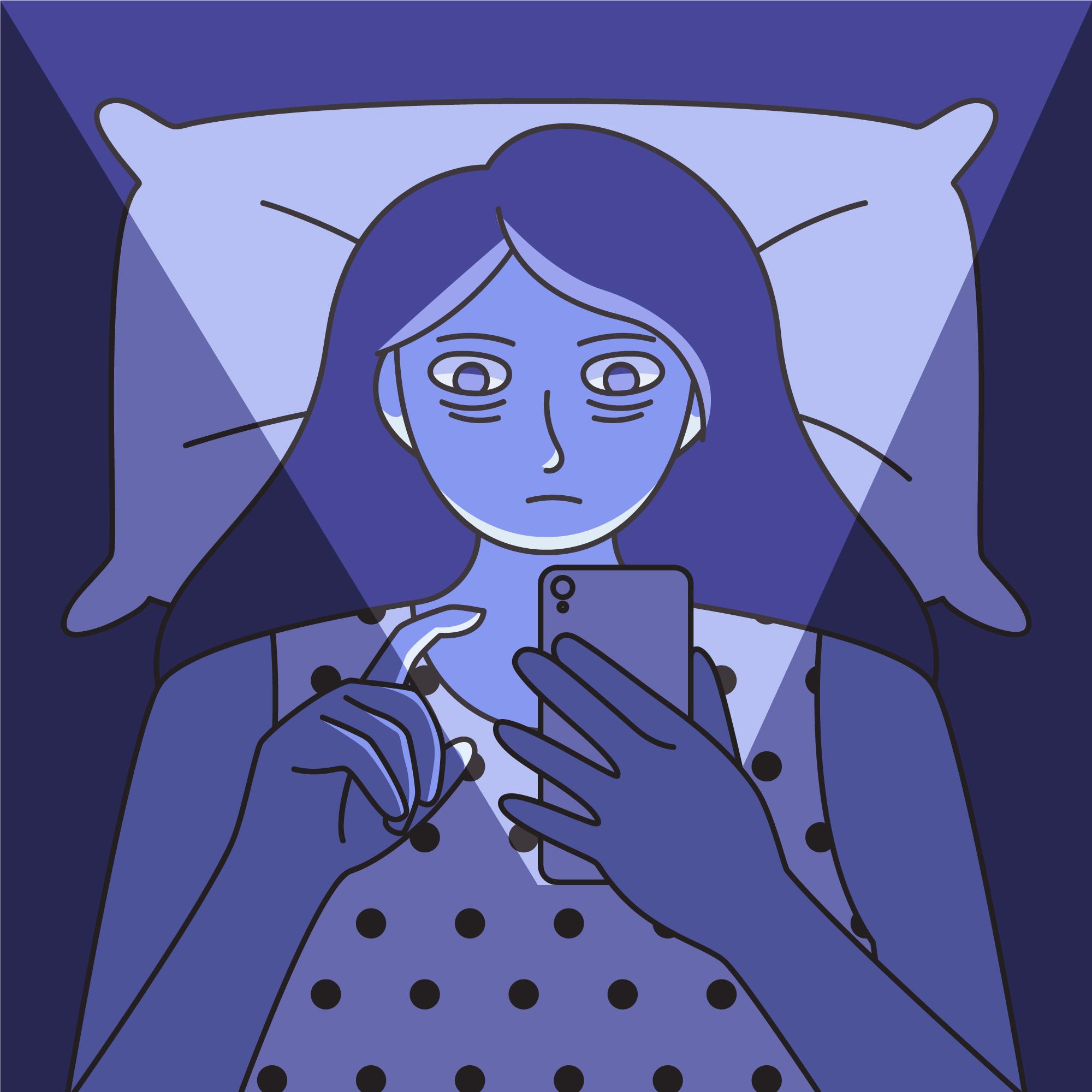
Following recent legislation that has been enacted in Australia to prohibit under-16s from using social media, the House of Lords in the UK now back similar legislation to prohibit use of social media for under-16s in the UK, signalling growing momentum to curb the negative, unintended consequences of unregulated social media use by under-16s. However, while many claim it to be a preventative step in lessening the susceptibility of adolescents to harmful material online, does a ‘blanket’ ban potentially pose negative implications for children and their rights?
Although ‘rebelling’ peers have called upon the government to hasten the implementation of an immediate under-16s ban and not ‘dress up delay as process’, others have been wary and warn policymakers of the disastrous consequences that an immediate ‘blanket’ ban could bring about for young people and vulnerable adolescents who find support in online communities.
Target the exploitative algorithms, not our young people
In 2017, 14 year old British schoolgirl Molly Russell tragically took her own life after viewing distressing content online promoting self-harm and suicide. What followed was an extensive inquest into the disturbing content that had been so easily accessible for Molly to view. Yet her father, Ian Russell, has warned that a blanket ban simply targets and removes young people from online spaces and ‘distracts from the real issue.’ As he has previously stated following an inquest hearing into his daughter’s most tragic and untimely death in 2022, tech companies must be held accountable for ‘prioritising their profits by monetising the misery of children’.
It appears that leading experts echo similar recommendations and appear to propose more sustainable and proportionate approaches as opposed to an outright ban, including calls for sterner moderation of content available to adolescents on their screens.
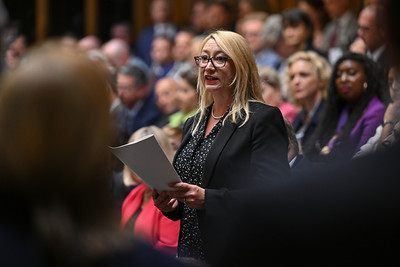
Political spearheads Kemi Badenoch and Keir Starmer appear almost in competition to outdo each other in demonstrating greater political decisiveness, with Badenoch urging Starmer to ‘just get on with it’ [the ban] and praising the Conservatives for already ‘having acted’. But perhaps they are both already at risk of being seen as grasping on to performative assertions of authority if they do not genuinely heed these calls of those policymakers and experts who call for greater caution.
Perhaps, we must all keep in mind that reaching the age of 16 will most certainly not automatically lessen one’s susceptibility to the predatory material and personalities lurking in unregulated dark corners of the web. We all still remain at risk. A total ban would just ‘incentivise an abdication of responsibility’, allowing social media platforms to avoid taking any meaningful action to control and regulate harmful material that poses the greatest risk to adolescent mental health and well-being. It is, frankly, time we hold these predatory algorithmic features and their monetisers accountable, more so than simply depriving all our young people of online communal spaces.
For many of our young people, in particular those from marginalised communities and/or particular sexual/gender identities, online spaces offer a ‘blessing to those who feel isolated’, offering vital community and support networks. How would our young people navigate the losses of these support networks if they are to be unfairly deprived of the benefits that social media may actually provide in abundance? Who would they reach out to for support?
While political ‘pundits’ weigh in on the ban, the views of young people have for far too long been relegated to the peripheries of the debate table. As young people and children’s welfare organisations have expressed in recent conversation with Starmer, there is a convincing debate to be made in that young people nowadays consume the majority of their civic knowledge from social media. Social media platforms can be powerful tools ‘for learning, expression and creativity’ and allow young people to access information and participate in meaningful protest. By depriving our young people of the platforms through which they make sense of the world around them, what incentive will remain for young people to perform their civic duties when they come of age (like participating in voting), when they are deprived of all opportunity to acquire the very necessary civic education and knowledge required for young people to feel confident in making informed voting decisions?
Consult with our young people, not without them. For they too have a right to a say
What do British young people seek to contribute to this debate?
The Youth Select Committee, a parliamentary group of 14-19 year olds led by the National Youth Agency and supported by the House of Commons, call for more robust action to prevent children from being exposed to harmful material, but believing that a blanket ban is ‘neither practical nor effective’. A report the Committee has produced, exploring the impacts of social media on youth violence, raises serious and very rightful concerns about the egregiously harmful and violent content that is shared by algorithms, for it is predicted this content will be the ‘most engaging’ for its young users. Their report calls upon Ofcom to issue financial penalties and publicise social media companies that do not abide by Ofcom’s regulatory codes, including rigid age verification processes that ensure children cannot access inappropriate online content.
Our policymakers must keep in mind that every child is entitled to a say in matters that affect their societal well-being and participation and this is enshrined in international law. Article 12 of the UN Convention on the Rights of the Child (UNCRC) states that every child ‘has the right to express their views, feelings and wishes in all matters affecting them’. To recklessly discard the views of our young people is not only a deep ethical violation but an undermining of the very law that enshrines every child’s right to participation and freedom of expression. As UNICEF’s memorable slogan says, ‘for every child’. I sure should hope policymakers realise this includes our very own right here at home.
.svg)
.svg)
.svg)
.svg)