
Since 2022, the Kremlin’s behaviour has alarmed European leaders, and rightly so.
Since the invasion of Ukraine, Russia has experienced a surge in defence spending, force expansion and has shown fierce determination to win the war in Ukraine. Only last week, Putin dug into the fears that a broader, European war is on the horizon, noting that “if you want war, Russia is ready”. These tensions are only heightened by an increased use of hybrid warfare tactics across the continent, such as testing Western airspace responses with drone incursions and sabotage in neighbouring countries such as Poland - the Kremlin has continued to deny these allegations.
The question on everyone’s mind - is Russia preparing for a direct war with the West?
The Russo-Ukrainian peace talks seem to be never-ending, with no indication that Ukraine is willing to give up its territory. This is good for Russia - as the peace talks continue, the army can grind on in key regions like Donetsk and Luhansk with their sheer manpower, making slow but vital progress. What may look like a diplomatic deadlock is, in reality, a strategic pause that will benefit Moscow - it gives them precisely what they need to advance: time. Whilst diplomats argue over the shape of a hypothetical settlement, the Kremlin will use this to pour its resources into its army, expanding its active personnel to 1.5 million and accelerating military production. As opposed to signalling a desire for peace, the deadlock allows Moscow to rearm, mobilise and fight for as long as needed. Negotiations are not a barrier to escalation, rather a bridge to it.
Across Europe, Moscow has intensified its strategy of hybrid warfare - a form of conflict fought to exploit vulnerabilities without resorting to full-scale war. Since the invasion of Ukraine, European intelligence agencies have reported a significant increase in Russia-linked operations, which have ranged from political interference to the damage of critical infrastructure, all in an attempt to sabotage NATO members without direct confrontation.
Drone incursions have been routinely seen, systematically testing NATO airspace readiness, with jets scrambling to intercept unidentified aircrafts in the Baltic region and Romania. This marks a shift towards a more offensive, aggressive posture from Russia. Just recently, in Poland, authorities disrupted an attempted sabotage of key railway lines, which are important military supply routes. These incidents have not yet escalated into an open confrontation - but the message is clear: European infrastructure and airspace are part of the battleground environment.
At the same time as these clear infringements of sovereignty within Europe, Russia has continued to wage a campaign of political manipulation across the continent and beyond. The disinformation network that Russia runs has fuelled social tensions, questioning the value of Ukraine and attempting to portray NATO as the true aggressor. The goal of these campaigns is not only to make Western society adopt a more pro-Russian position, but to erode unity and create division within Europe. This has been seen with Donald Trump's recent shift in strategy with the peace talks. He has increasingly adopted an anti-Ukrainian sentiment, with the deal appearing to leave the country defenceless against Russian aggression in the future. The goal of these political campaigns is not just to divide NATO but to serve Moscow’s strategic aims in the long run.
Together, these tactics suggest a shadow conflict is unfolding across the continent. Hybrid warfare has enabled Russia to probe, pressure and destabilise Western states at low risk, shaping a strategic environment long before direct confrontation could occur. Within these subtle, but persistent provocations, many analysts see signs that Moscow is not only preparing for victory in Ukraine, but a broader struggle with the West in the months and years to come.
The question now is no longer whether Russia is a threat; it is how far this threat intends to go. Intelligence assessments from NATO have suggested that Moscow could regain the capability for a direct military confrontation with the alliance in the next 5 to 8 years.
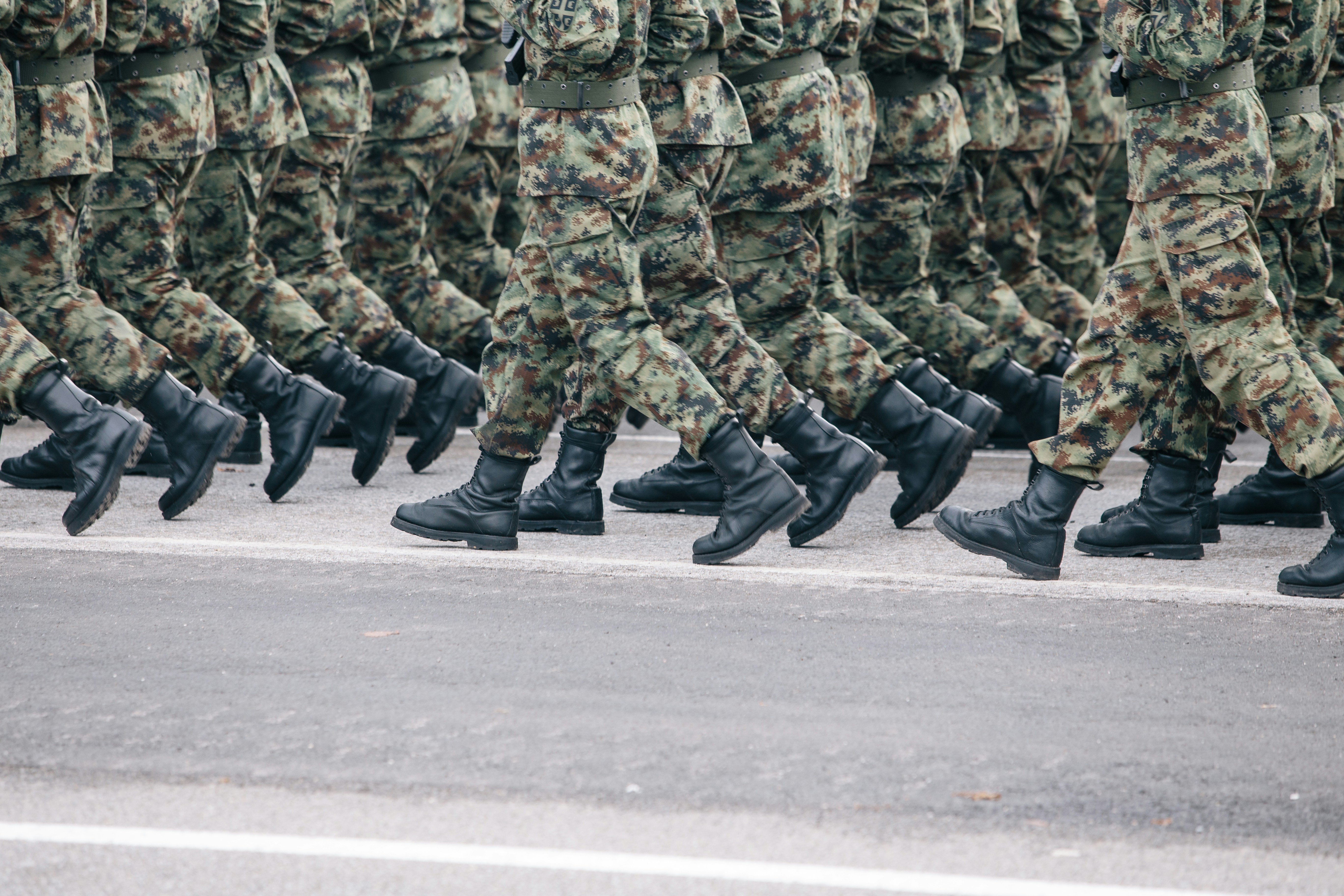
The governments of Europe are taking these assessments seriously. Germany has recently voted in favour of voluntary military service for young people, Poland has announced a military training plan for every man in the country and the United Kingdom has pledged the largest increase in defence spending since the Cold War. Each of these moves reflects a shared belief that Europe is entering a dangerous new era, one in which Russia is preparing for a prolonged confrontation.
This pattern would be silly to ignore: Russian behaviour - from troop expansion to hybrid operations - suggests that the state is already looking for future conflict, apart from the current one in Ukraine. Only time will tell if Moscow intends to use these capabilities to its own advantage. But the preparations within Europe have already shaped the stage for a broader confrontation.
Russia is not acting like a nation that is on the cusp of peace. Rather, one that is rearming and thus preparing for the next conflict. The acceleration of military production and provocations across Europe only really points in one direction - war. Especially with the ongoing stalemate of negotiations, Moscow gets exactly what it needs: time.
The leaders of Europe can see the direction of travel. NATO has openly warned that Russia is ready to challenge the alliance in the years to come.
Yet the path that Moscow chooses is still not completely clear. Russia is obviously positioning itself for a confrontation much larger than Ukraine. But the real question for the West is no longer whether the Kremlin is preparing - rather, what comes next for Europe? On this, NATO has a decision to make: does it keep nurturing Russian aggression and accept the current climate, or does it take the firm stance that any further incursion of sovereignty is an act of war?
.svg)
.svg)


.svg)
.svg)