
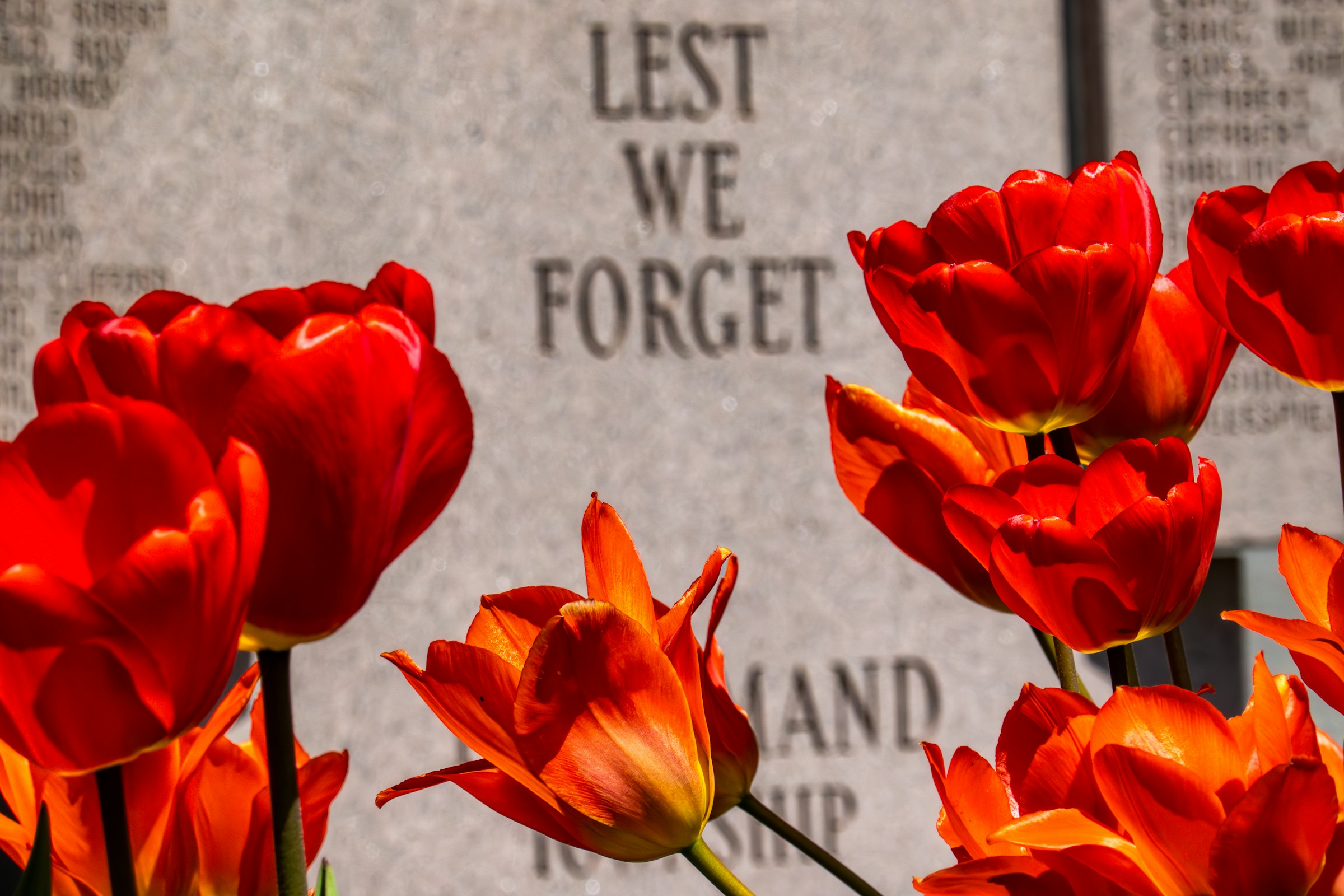
In Westminster Abbey lies the body of the Unknown Warrior. He was given a full state funeral in 1920 by a population still collectively mourning the horrors and destruction of the First World War and demonstrates the perceived enormity and singularity of the conflict. It’s now also part of the UK’s annual Remembrance Day commemorations, intended to highlight the sacrifices made by the war dead and veterans in the two world wars.
Over time, though, this simple goal has been distorted. What we see instead every year is a wave of discourse centring around people’s various interpretations of the goal. The most obvious example of that is the red poppy. Taken from the 1915 poem by John McCrae that described poppies growing over soldiers' graves, the flower quickly became a remembrance symbol and is now used for fundraising for the Royal British Legion.
If that were all it would be simple. Instead, there is a long pattern of the gesture being made into yet another culture war symbol, usually across political lines. In the run up to commemorations you would be hard pressed to find any public figures not wearing one, leading to the coining of the term ‘poppy fascism’. The argument is that the original point of the commemorations has been completely overshadowed by the focus on the symbol, and this is often evident in political commentary.
The right especially regularly chastises others for perceived disrespect when choosing not to wear one. Leader of the Green Party Zack Polanski’s decision to wear a white poppy at the Cenotaph ceremony was enough for GB News to devote a headline to it, even though he also wore the red one underneath. In the article, they claim people who forgo the red poppy as having concerns about it glorifying war and violence. From the way the white poppy is discussed you would think it was introduced more recently, but it was first introduced in 1933 to highlight the role of peace.
Every year, politicians speak about sacrifice, as if it was the individual virtues of the soldier that ensured, as the Unknown Warrior’s tomb puts it, ‘justice and the freedom of the world’. Yet, there doesn’t seem to be any similar reflection on the reasons behind the need for the sacrifice: the decisions of individual leaders at the time. This is because it’s not politically convenient. Every day, different politicians make similar decisions that, somewhere around the world, put people in the same path of devastating conflict. Having led the UK into the Iraq War in 2003 on false pretences, leading to the deaths of 179 British troops and, even by conservative estimates, 200,000 Iraqi citizens, Tony Blair turns up at the Cenotaph every year along with all the former prime ministers. You have to wonder whether he would feel comfortable with a similar day of ‘remembering’ what has often been called an illegal war.
What also makes commemorations seem hollower in people’s minds today is the background of ongoing genocide in Gaza, through which the UK has either been a bystander or an active participant. This is where so much of the media discourse about respect and who wears what fall most flat. What more disrespects ‘justice and freedom’; not wearing a red poppy, or selling £500 billion of military exports to Israel over the last ten years? The same Keir Starmer who in 2023 stated ‘I think that Israel does have that right’ when asked whether the country had the right to cut off water and electricity to Gazan civilians, which he later denied, was the same Keir Starmer who talked about ‘our duty’ to protect the legacy of peace on the 11th November. A peace and legacy that just don’t seem to exist anymore, beyond these empty platitudes.
It’s not that the goal of remembrance commemorations has always explicitly been to promote pacifism – clearly, people have different interpretations. But, as advocates of the white poppy argue, surely the message we should ultimately be taking from the twentieth century is ‘never again’. Remembrance Day has instead turned into quite the hypocritical event, led by politicians who are far more comfortable reflecting on the past than the present.
If older generations truly believed living through the pain of the wars would at least ensure a better world afterwards, they would be disappointed. With the passing of time, there are unfortunately fewer veterans and fewer people with direct memories of the time left alive. As with all acts of remembrance it’s therefore on the younger generation to keep the message going. However, there is an increasing amount of evidence to suggest commemoration is becoming less and less relevant. According to a 7th November YouGov poll, less than half of young people were intending to not wear a poppy at all, while over half of the 65+ age bracket already had worn one. It doesn’t take a genius to work out why. When young people see the political landscape today, increasingly alienated by a country that has risen everything from university tuition fees to house prices, they don’t see any legacy of sacrifice and freedom for a better world. They see the same hypocrisy. This creates a dangerous environment, precisely because there is therefore no incentive to remember what seems like a lost idea, increasing generational divisions.
Instead, some sections of the media prefer to characterise young people’s lack of focus on Remembrance Day as down to deliberate disrespect. They ignite the culture wars and this ‘poppy fascism’. It’s an unhelpful distraction from the real issues and ironically ends up obscuring the well-intended ideas behind Remembrance Day itself – by making it all about the poppy. This then lets leaders get away with their empty platitudes about the past, ignoring present consequences for the future.
Time only keeps passing. Over a century since the Unknown Warrior was laid to rest the country seems very far away from truly ‘remembering’ and the world is no closer to peace.
.svg)
Diana is a second year history student at the University of Aberdeen. She is mainly interested in UK political and social events, and elsewhere enjoys reading, films and painting.
.svg)


.svg)
.svg)