In September 2025, British officials told Reuters that London would not back a new multilateral defence bank. In January 2026, Britain and Germany were again reported to be staying out. In May, a minister told the House of Lords the government had “no current plans” to join. By September, weeks after Rachel Reeves had rejected the idea, her successor as Chancellor, John Healey, was reportedly in talks with Ottawa about joining after all.
Three positions in twelve months. That U-turn is the strongest argument for the bank itself: a country that cannot hold a defence financing policy for a year cannot be trusted to fund its shipyards for twenty.
In favour of the DSRB
The Defence, Security and Resilience Bank (DSRB) is a Canadian-led institution headquartered in Montreal, with its founding Charter agreed in April 2026. In July, eight countries, including Belgium, Greece, Romania, Turkey and Ukraine, committed to it. The model is simple. Member states pay in capital, the bank borrows against that capital and a strong credit rating, and lends the money on cheaply to governments and defence firms, with a target of around $135 billion. Britain’s entry fee would reportedly be around £870 million, spread over three years.
Britain’s problem is not that it refuses to spend on defence; it is that it cannot commit. The UK spent 2.3% of GDP on defence in 2025 and is expected to reach 2.6% this year, against a NATO pledge of 3.5% by 2035. The government has not published how spending gets from 2029/30 to that target, and the Office for Budget Responsibility puts the gap at around £40 billion a year. Healey himself resigned as Defence Secretary in June after saying the government was “unable” to commit the resources needed to defend the country.
This is the structural flaw. The Royal Navy’s first Type 26 frigate began construction in 2017 and is not due in service until the late 2020s, and a submarine programme runs for thirty years. Yet the money behind them is fought over at every Budget and Spending Review, hostage to fiscal rules and to whoever holds the Treasury. Defence is bought in decades but funded in Budgets.
The DSRB does not take politics out of defence. Joining is a political decision and it costs Treasury money. But once the bank is capitalised, its lending capacity outlasts any single Chancellor. It gives long programmes a source of finance that does not need to be won again every autumn, which is exactly what a fast-moving geopolitical environment demands and exactly what Westminster’s annual cycle cannot provide.
The case is not only military. Andy Burnham has put reindustrialisation at the centre of his government, and his Defence Secretary, Wes Streeting, has said defence will drive it. Defence is one of the few industries that still makes things in Britain, and it makes them outside London: in Barrow, on the Clyde, in Lancashire, and in my home city of Portsmouth.
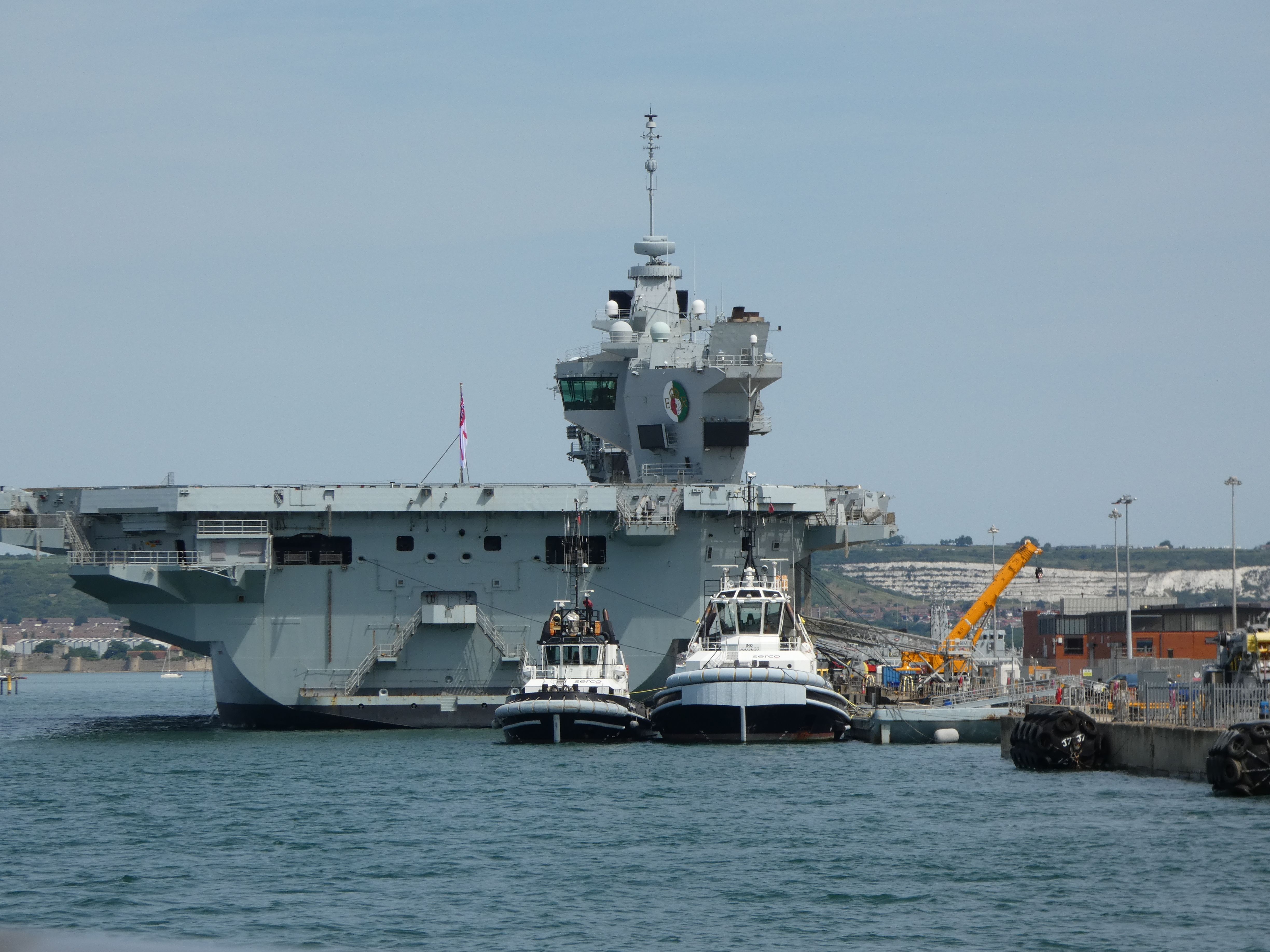
Growing up in Portsmouth in a Naval family, you cannot miss what the dockyard means to the city. The naval base has been estimated to generate around £1.68 billion a year for the local economy and support nearly 20,000 jobs across south Hampshire, with every 100 jobs on the base sustaining a further 66 elsewhere in the region. When BAE Systems ended shipbuilding there in 2013 and almost 1,000 jobs went, the damage landed on one city rather than being spread across the country. Defence spending is not abstract in places like Portsmouth; it is the difference between a skilled apprenticeship and moving away to find work.
DSRB lending is directed at firms based in member states. If Britain stays outside, British primes, and the hundreds of smaller suppliers behind them, are cut out of a pipeline their European competitors can draw on. That matters most for small firms. Defence SMEs struggle to raise money against long and uncertain MoD contracts, and some high-street lenders have avoided the sector altogether on ESG grounds. The DSRB is explicitly designed to close these “critical financing gaps”. Because it borrows on its own credit rating, it can lend more cheaply than a British state whose borrowing costs remain stubbornly high.
The argument against
The alternative offered on the left is to spend less. Green Party leader Zack Polanski has dismissed the 3.5% target as “arbitrary numbers of GDP” set “to please Donald Trump”, while a faction within his party wants the Greens to oppose any rise in defence spending under the slogan “welfare and wages, not weapons”. Polanski is right that climate change is a security threat. But a party that claims to care about good jobs in left-behind towns cannot wave away one of the few sectors already providing skilled, well-paid work in exactly those places. Turning down defence investment does not move those jobs into wind farms; it simply leaves the towns without them.
The case against joining is not trivial. £870 million is real money in a squeezed budget, and the returns are long term and hard to measure. The DSRB lends rather than gives, so money is raised through it still has to be paid back. Britain has also spent the past year building its own rival, the Multilateral Defence Mechanism, with the Netherlands, Finland and Poland, aiming to launch by 2027. Joining a second institution risks splitting money and diplomatic attention, and means accepting rules written by others. The landscape is not settled either, with a JPMorgan-backed European Rearmament Bank having sought a merger with the DSRB.
But the two institutions do different jobs. The MDM pools orders; the DSRB raises capital. Demand without finance leaves factories unbuilt, and finance without demand leaves them empty. Britain needs both, and the reported entry cost is less than 1.5% of a single year’s defence spending.
Conclusion
Healey’s U-turn should be completed, not reversed again. The real question is whether it is settled before the next Spending Review, or whether Britain adds a fourth position to its list. Defence is bought in decades. It is time Britain stopped paying for it one Budget at a time.
This piece was written before the UK and Canada announced on 25 October that Britain will not join the DSRB.