

“I’m gonna wreck it!” is a prominent catchphrase from Walt Disney’s most beloved animations: Wreck-It Ralph and its sequel, Ralph Breaks The Internet. What is less prominent, however, is the subtle yet profound incursion of cryptocurrency being woven into this fun, digital age story - making the film as relevant as ever in today’s tech-driven society.
But as the SEC grapples with how to classify digital assets like Bitcoin and XRP, the regulatory decisions made today will determine who gets to participate in this newly framed economy and under what rules.
For instance, the crypto company “SAFE network” was displayed during a scene of the movie, alongside other major Internet companies such as that of the antivirus McAfee. SAFE Network launched its own cryptocurrency, the MaidSafeCoin (MAID) in 2014, which functions as a utility token for sharing data on a free and unrestricted network. For reference, utility tokens, which are tokens tied to a specific purpose within a blockchain ecosystem, are different to security tokens, which are intended as investment instruments that confer ownership status over assets, where claims on an asset are converted into blockchain-based data tokens.
Security tokens are often regulated by government authorities such as the U.S. Securities and Exchange Commission (SEC), and must comply with securities laws and pass legal standards such as the Howey Test (SEC v. W.J. Howey Co. | 328 U.S. 293 (1946), which determines if a token transaction qualifies as an “investment contract” under the following:
a) whether the person invests something of value
b) whether there is an expectation of profit from the investment based off the efforts of others (company/management team).
c) whether the investor will make profit from the transaction
d) the investment is part of a “common enterprise”, in which multiple parties provide a pooling of funds and resources.
Put simply, if I invest in a token hoping to earn money from the token’s developers, it’s likely a security token, and the company will be required to go through a legal screening as stated above. If the token is more like a currency and doesn’t depend on others to get me the profit I want, it likely doesn’t need to be regulated by the SEC.
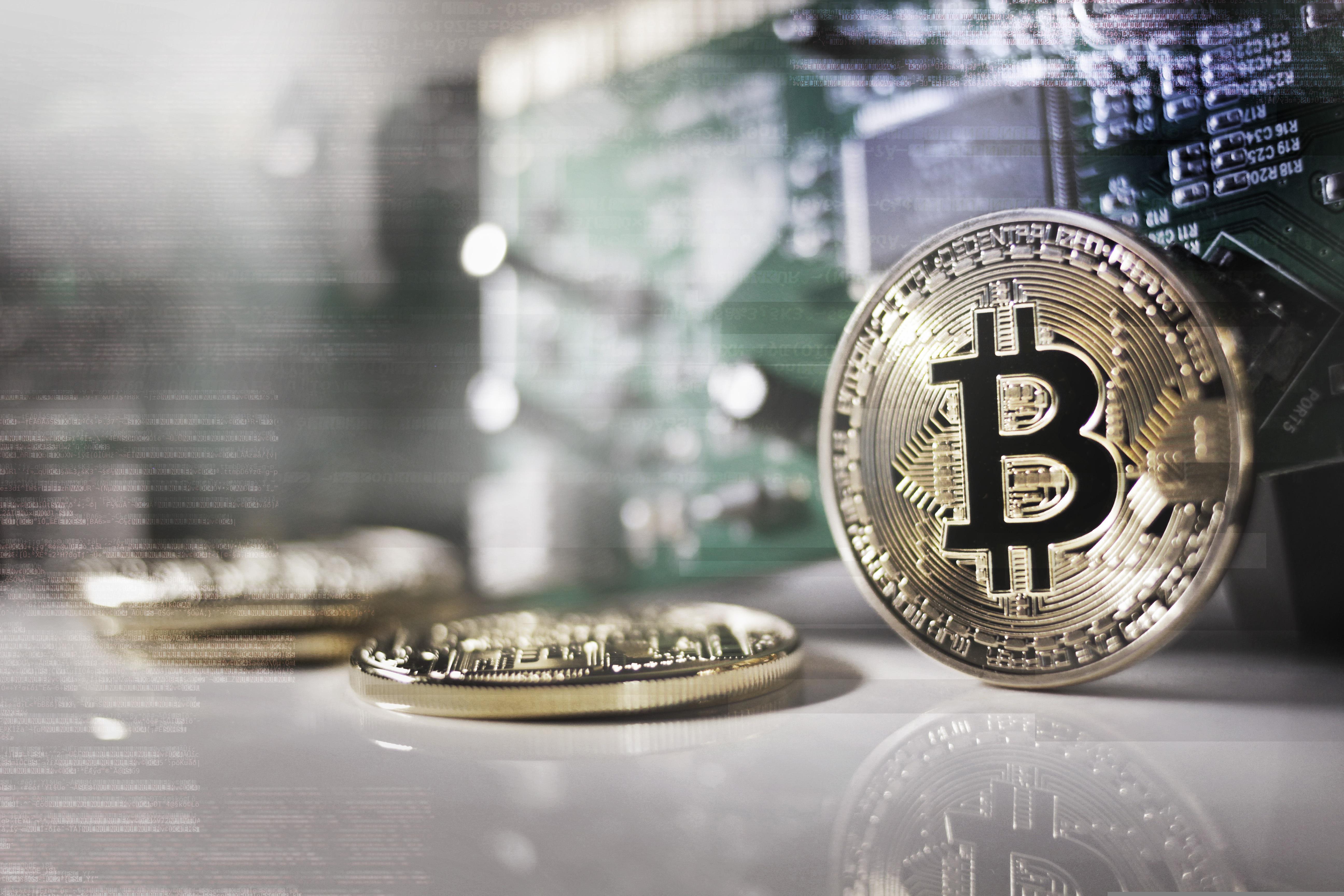
What’s startling is that one of the world’s largest and most valued cryptocurrency, Bitcoin, does not pass this mandatory Howey Test.
The SEC has struggled to categorise large digital currencies such as Bitcoin, Ethereum, and thousands of other tokens that exist - but due to the increase of crypto adoption, the Commission has begun to scrutinise the legal aspects of crypto companies much more than before. Firstly, the SEC claims that Bitcoin only checks the first box of the framework - an “investment of money”, but does not satisfy other points of the Howey test: Investors aren’t pooling their funds towards a joint enterprise, and the profit made off Bitcoin does not depend on a third party.
Bitcoin’s decentralised nature means that it is treated more as a commodity rather than a regulated security, which has its own pros and cons.
Avoiding classification as a U.S mandated security significantly reduces legal burdens and compliance costs, making it easier to buy, sell, and use freely. Since it doesn’t need to rely on the efforts of a central party or issuer, its non-security status supports innovation, adoption, and accessibility without regulatory hurdles and entanglements in security law designed primarily for corporate fundraising.
However, not being regulated as a security doesn’t give Bitcoin the privilege of investor protections that security law provides. This can expose holders (people who hold onto a cryptocurrency for an extended period regardless of market fluctuations) to unprecedented fraud and manipulation risks without regulatory oversight typical for securities.
The SEC has often been criticised for applying the Howey test unevenly to different crypto agencies.
Whilst Bitcoin isn’t classified as a security, many other similar crypto assets are, which not only provides an unclear regulatory framework but also puts forth an uncertain legal stance on the test, which can cause confusion amongst investors and developers who lack predictability about regulatory predictions or enforcement actions, which may stunt innovation and growth. An example of this ambiguity is evident in the SEC's lawsuit against Ripple Labs, (Securities and Exchange Commission v. Ripple Labs Inc. et al), where the SEC accused Ripple Labs of conducting unregistered securities offerings via the sale of its XRP tokens. The SEC argued that XRP was a security, thus Ripple should have complied with securities laws during sales. Ripple countered this statement and claimed that XRP is a digital currency, not a security, and shouldn’t be subject to regulatory checks.
The case remains open as the SEC has not yet withdrawn its appeal, but if they do, the previous court rulings favoring Ripple would be finalized, likely bringing more clarity on regulations and boost institutional confidence for XRP. The results of this dispute will have major legal implications on how cryptocurrencies are regulated in the US, especially in forming an unambiguous line around distinguishing security tokens from other digital assets. Results are contingent on the SEC’s next moves to stabilise XRP’s future as a non-security digital asset.
This ongoing legal battle underscores a fundamental truth that legal precedents may not always apply to such situations in the ways they were intended. Blockchain has now become increasingly popular in assisting with copyright infringement and intellectual property violations, making it much easier to store and keep a valid record of documents. It is now also being incorporated as a method of arbitration, commonly seen through “on” and “off” chain dispute resolution.
On-chain resolution relies on the efficient execution of “smart” contracts, which are digitised programs which run on blockchain when certain agreements are met. Parties can be informed of the conclusion immediately without the need of human intervention - which of course, rises its own issue of cybersecurity risks and trust in the system.
Off chain, however, involves human mediators to analyse evidence outside the blockchain, but it may interact with it. It’s pricier than its counterpart, but it can handle more complex decisions and is a more private process.
“I’m gonna wreck it!” isn’t just a catchphrase for a loved animation movie, but it's a sign that Hollywood is growing increasingly aware of the multifaceted yet fascinating nature of crypto and is involving it in more of its media. Cryptocurrency will likely see more complexities in its interpretations, and in the end, its up to the law to determine its most beneficial solutions.
.svg)
Shreya is a student with an interest in world politics, legal ethics, technology law, and jurisprudence. She hopes to study law at university and is passionate about the critical human decisions that shape the world around us. She is especially interested in exploring how artificial intelligence will modify legal theory, judicial decision-making, and procedural fairness, a field that continues to gain prominence in modern society.
.svg)




.svg)
.svg)
.jpg)