


Image - Zulgufar Karimov
United States President Donald Trump has once again ramped up his interest in taking Greenland from Denmark, a fellow NATO Member. Claiming a future deal has been made with points about future defence and mineral rights on the Island.
Trump's rhetoric towards Denmark and Greenland, has shown a change in American foreign policy towards Europe, moving away from NATO and United Allies and towards an America First policy viewing former allies and potential adversaries. This change in policy is most noticeable in the recently published ‘US National Security Strategy.’
Trump's National Security Strategy of November 2025 outlines key changes his administration wants to make in relation to Europe. Stating that ‘US Foreign Policy has fallen short since the Cold War’ and wanting to stop what the US sees as ‘Cultural Subversion’ whilst ‘cherishing past glory and traditional families.’ The National Security Strategy also details what Trump wants to do in relation to domestic European Politics. The Strategy states that the US ‘will support allies in preserving freedom in Europe and restore the western identity.’
Overall, America under Trump is moving away from viewing Europe as an ally and towards Europe as an adversary that needs defeating, viewing Far Right parties and politicians as saviours of Europe rather than just fringe movements. His comments on Greenland show this.
American foreign policy has always been slightly suspicious of Europe starting with the Monroe Doctrine of 1823. The Doctrine states that any European attempt at colonisation or settlements within the Western Hemisphere is a direct attack on the United States, effectively making the US the unofficial guardian of the whole hemisphere whilst implying that the European nations are untrustworthy allies.
This changing relationship between the USA and Europe also influences culture. America changing their foreign policy to see Europe as more of an adversary coincides with American LLM (Large Language Models) such as Chat GPT. Studies by the University of Copenhagen in Denmark finds that these American AIs tend to promote American values even when being used in Europe.
This can be seen as part of a larger US strategy in Europe and the rest of the world. In which the US is pushing out their new ideas of culture and ‘Western Identity’ with their links to far right parties as laid out in the National Security Strategy and with the AI boom. The links and promotion of the far right, mainly eurosceptic parties in Europe aims to create a divided Europe reliant on the US rather than a self sufficient European Union.
American AI companies help with this process, as they give the everyday person a free way of accessing American culture and ideas. Whether the AI companies are on board with the Trump Administration' s plans or not is not known, but even if they are not, they are helping. Overall European citizens are becoming in danger of becoming overly reliant on American political and cultural support stemming from this ‘Divide and Conquer’ foreign policy towards Europe.
The upcoming 2026 Winter Olympics in Milan will be an important moment in the changing US-Europe relations. The USA team have announced that Immigration and Customs Enforcement (ICE) agents will be accompanying the USA team as extra security throughout the games. Given the current situation with ICE agents in America, especially with the two recent shootings in Minneapolis, European teams are especially nervous about the prospect of ICE agents at the games. However, this is a potential precursor to what may happen in Europe if the US is successful in backing their chosen far right-parties.
Overall, Trump is changing the American relationship with Europe, from one of close trade and alliance to one of suspicion and culture wars. America boosts European political parties they see as promoting ‘Western Values’ and the ‘Nuclear Family.’ The constant threats of Invading Greenland, a territory of Denmark who are in NATO and the UN with America and ICE agents attending the Winter Olympics have changed the US-Europe relationship for the worse.
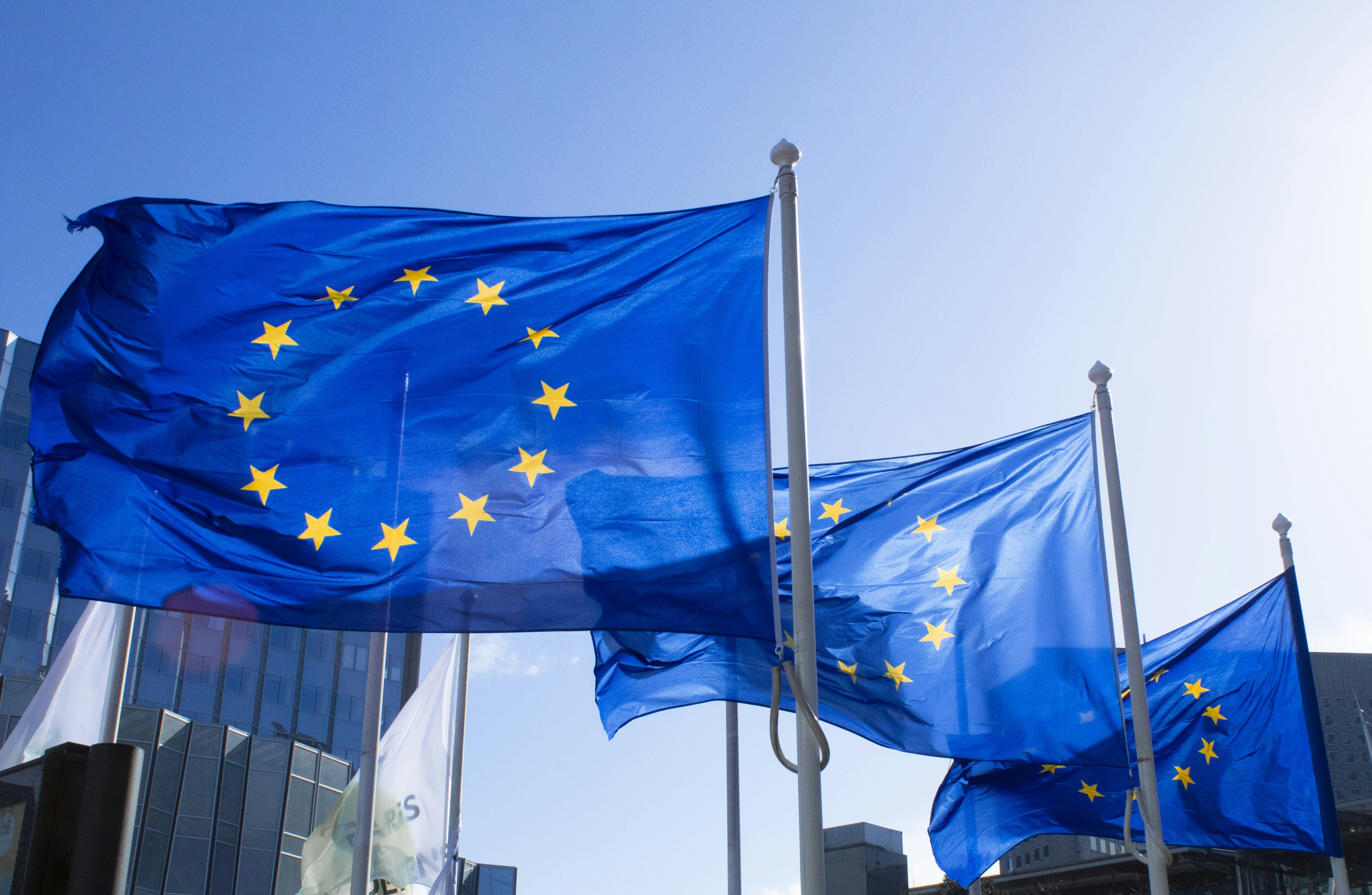
The way Europe stops this divide and conquer US strategy is to stay united, find other international trade partners such as Canada to pick up any losses with America and to forge closer internal ties. Moving away from Trump and America may be in the best strategic interests of Europe, one where Trump threatens more tariffs will not affect GDP much, to a European relationship where everybody will help defend the other, especially Denmark. Europe has the potential to counter Trump's narrative, but a strategy is not yet in place, however a strategy is possible, one where security, free speech and trade are guaranteed without threats coming from external actors.
.svg)
Alex completed a Master’s in Diplomacy and Foreign Policy at City, University of London, following an undergraduate degree in Media and Communications from Kingston University. His work explores international politics and security, with a focus on the intersection of sport, culture, and power in global and European affairs.
.svg)


.svg)
.svg)
.jpg)