
.svg)
.jpg)
Image - dole777
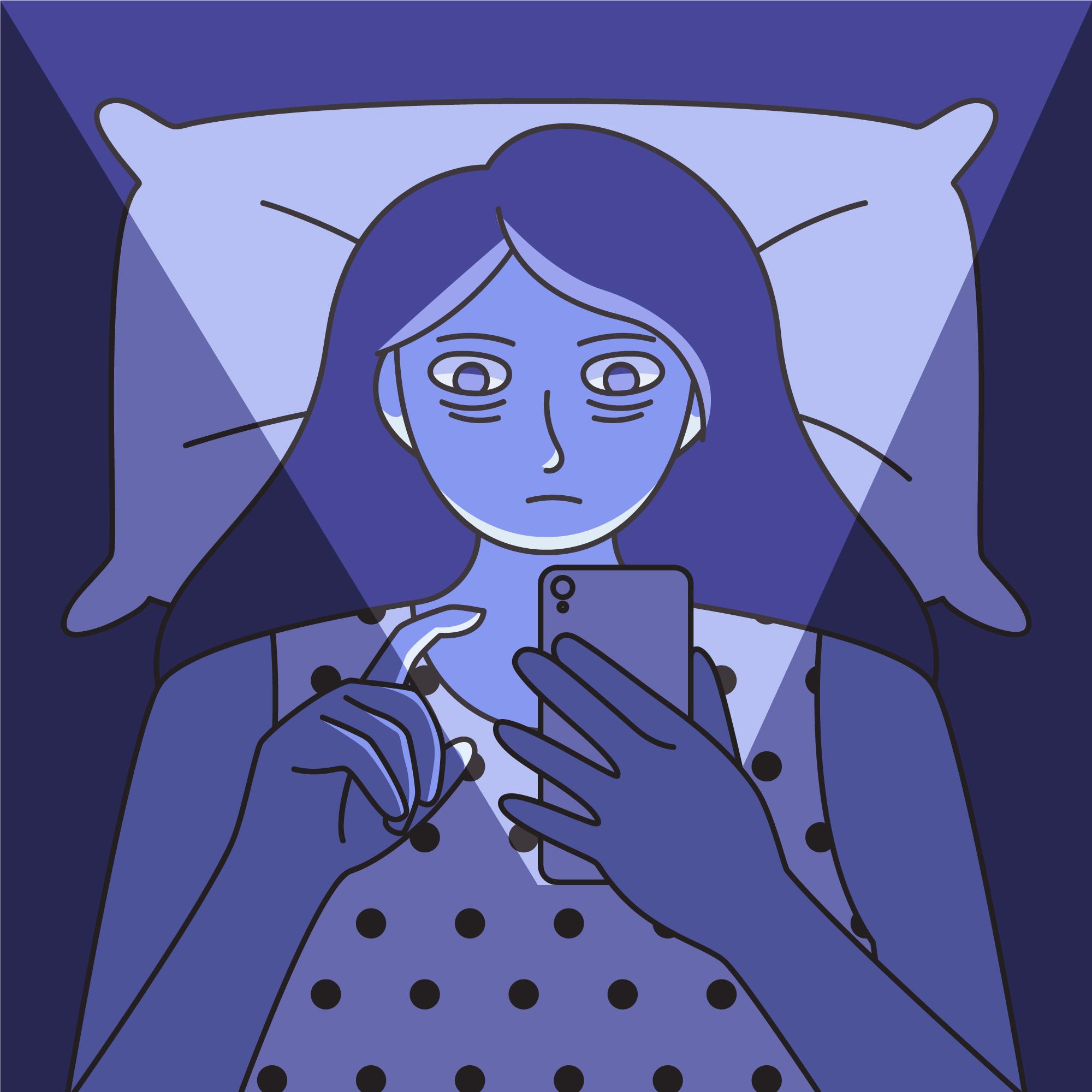
When Meta introduced its "consent or pay" model in November 2023, most users probably didn't notice. Initially in Europe, the subscription costs €9.99 per month for web users and €12.99 per month for mobile users, giving users the option to pay for an ad-free experience on Facebook and Instagram — or continue using the platforms "free" by accepting targeted advertising . But you likely didn't hear about it. And if you did, you probably still used those services without paying. The consensus is clear: when it comes to news and entertainment, we'd rather give up our data than our money.
Now, news publications are following suit. Sixteen of the 50 biggest news websites in the UK are now using a "consent or pay" model, with major outlets like The Sun, The Mirror, and Daily Mail joining the trend throughout 2024 and 2025, and the trend is also on the rise in Europe more broadly.
The model sounds reasonable on the surface: users can either accept tracking for personalized ads or pay a monthly fee for privacy. But privacy advocates argue it's more coercive than it appears. "The law is clear, withdrawing consent must be as easy as giving it in the first place. It is painfully obvious that paying €251,88 per year to withdraw consent is not as easy as clicking an 'Okay' button to accept the tracking," says Massimiliano Gelmi, a data protection lawyer at NOYB, a European privacy rights organization.
The model has faced significant legal pushback. In April 2025, the European Commission fined Meta €200 million, finding that its binary consent-or-pay model on Facebook and Instagram from November 2023 to November2024 was not compliant with the Digital Markets Act. Regulators argued the subscription fee was too high to represent a genuine choice, effectively coercing users into accepting tracking. These conflicts are ongoing with Meta stating in September that “EU regulators continue to overreach what the law requires”. The UK has pushed back far less against Meta, with the view that the current practice is “pro-growth”. This has resulted in a recent price reduction for Meta’s subscription to only £2.99-3.99/month in the UK, whereas the European subscription is still€5.99-€7.99. British regulators appear more willing to test whether an affordable consent-or-pay model can work.
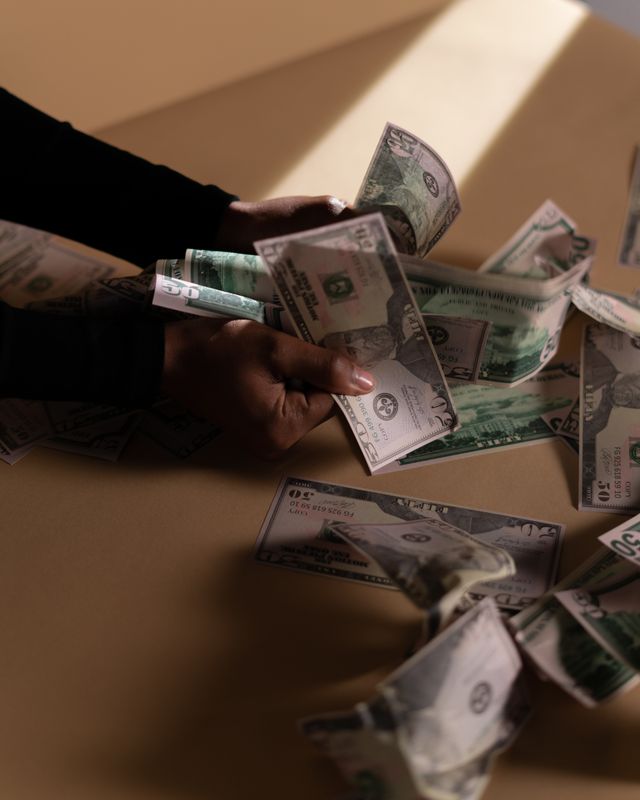
There's a fundamental difference between paying with money and paying with personal data. Personal data, simply exists as part of who we are, whereas money does not. It's not tied to our productivity or our economic value. It's us. Yet somehow, we've been conditioned to treat our data as having no value at all. Years of "free" services subsidized by advertising have normalized this trade-off. Before the 2010s, websites didn't even ask for permission—they simply took our data as part of their terms of service.
When Apple introduced App Tracking Transparency in 2021, giving users a simple yes-or-no choice about tracking, about 85% of US users chose not to be tracked. This suggests that when given a clear, easy choice, most people do value their privacy. But consent-or-pay models don't offer that kind of simplicity. Most people say that they do care about data privacy and data surveillance when asked, and yet their behaviour is contradictory to this within the consent or pay model, suggesting this behaviour comes from a bounded rationality, not from a choice.
When you pay money for news, the transaction has clear boundaries. Your subscription fee represents your labour, and the outlet provides journalism in return. The news organization is incentivized to deliver quality content that keeps you subscribed.
When you pay with your data, the incentives flip entirely. The outlet isn't rewarded for delivering good journalism—it's rewarded for extracting and exploiting as much information about you as possible. You're telling them to manipulate and monetize your attention however they can.
The shift to consent-or-pay models raises questions about who deserves privacy in the digital age. While mainstream news sites adopt these models, other forms of journalism—music, sports, food, travel, fashion—remain dominated by social media's "surveillance or nothing" approach. Research shows that wealthy and higher-educated Americans are more likely to use iPhones, on which data is encrypted by default and is more difficult for police, government, or phone companies to intercept. Studies also find that low-income Americans likely have a greater level of concern or awareness of the danger and risk associated with digital privacy and security than those in wealthier households. However, they are less likely to take action to protect themselves because they do not have the practical or financial means to do so.
But affordability is relative. For households struggling with rising costs, even small monthly fees add up quickly. If every news site, social platform, and online service adopts this model, maintaining digital privacy could cost hundreds of pounds annually, turning it into a privilege only some can afford. The presence of the publicly funded BBC may explain why British news outlets have been slower to adopt hard paywalls compared to their American counterparts like The New York Times and Washington Post. With a high-quality, free-to-access news source already available, charging for access seemed less viable.
Recent evidence further suggests that the ‘consent or pay’ model is coercive. When asked whether they would rather pay a subscription or use a service for free with ad-tracking, 91.6% of users would rather the latter. However if you re-phrase the question and ask if they would rather pay a subscription, use a service for free with ad-tracking, or use a service for free with generalised advertising, 71.3% of users would prefer generalised adverts that don’t take their data into account (as opposed to 27.5% of users preferring personalised adverts). This clearly shows that people do not want to give up their data nearly as much as they end up doing, and that the idea of ‘consent’ within this model is bounded.
As consent-or-pay spreads across the journalism and entertainment industries, we're watching a real-time experiment in digital inequality. Will privacy become something only the wealthy can afford? Will different types of news—political coverage versus entertainment—create sharp divides in who gets to protect their data? The answers will depend partly on regulators, who continue wrestling with whether these models offer genuine choice or merely create an illusion of consent. But they'll also depend on us: whether we continue accepting that our personal information is the price of staying informed, or whether we start demanding something better.
Carina is a final year student at UCL. Some of her interests include education policy, data privacy and climate change action. She also loves to make music.
.svg)

.svg)
.svg)