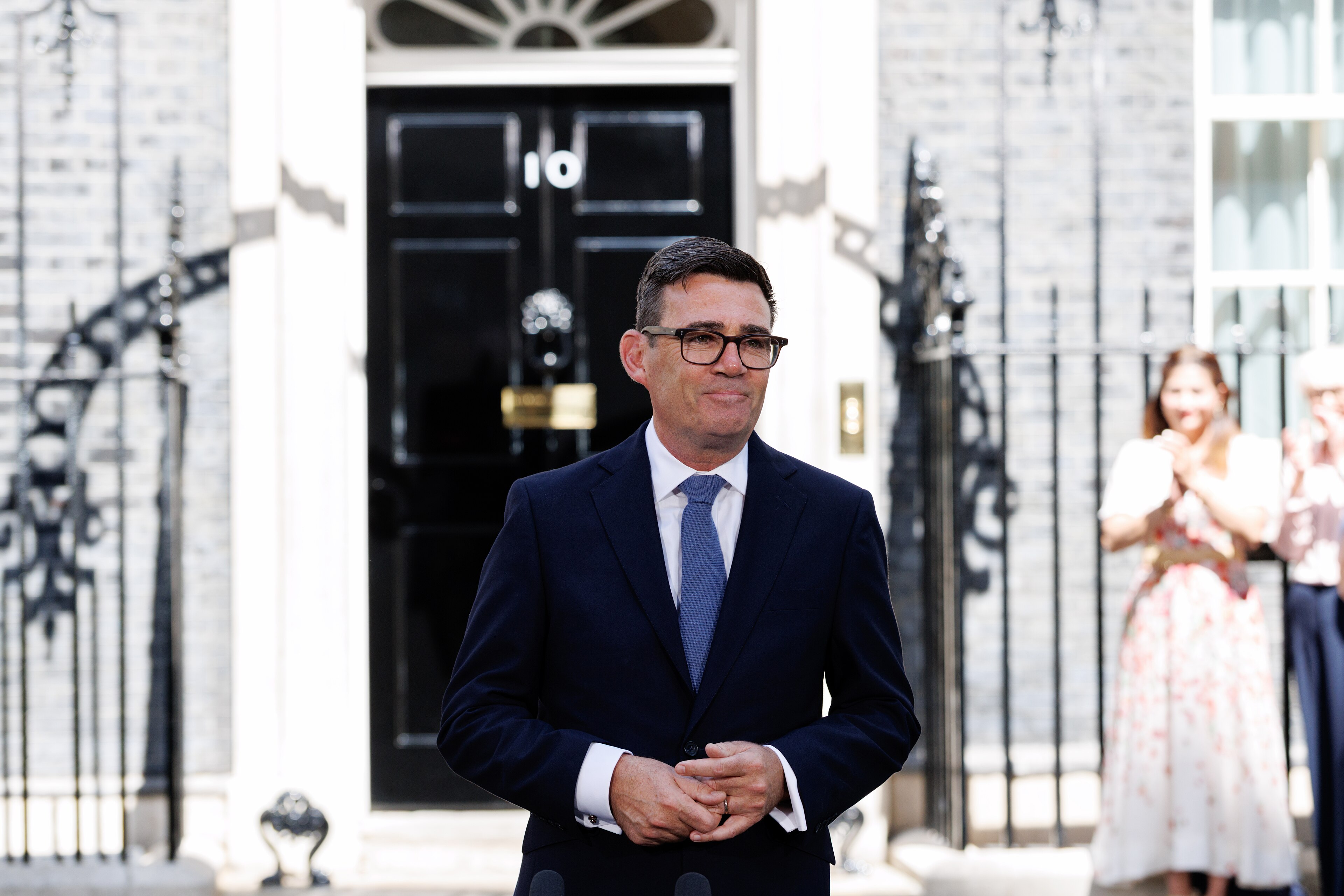
When voters in Makerfield went to the polls for their local election in June 2026, the results were expected. Andy Burnham won comfortably for Labour with 54.8% of the vote, with Reform UK on 34.5% and Restore Britain on 6.8%. However, on online platforms, especially Instagram and Facebook, the competition looked a little different. According to the ad-tracking group, Who Targets Me, Restore’s spending in the constituency was comparable to Labour’s campaign. For a new party, competing on the same level as Labour for digital spend was intentional. Some of its ads were delivered to tens of thousands of constituents for less than £500, paid to Meta. This is Restore Britain’s model built around highly targeted ads. The party’s leader Rupert Lowe now has a Facebook following of nearly double that of Kier Starmer.
The weaponisation of women’s safety
Much of the online campaigning centres itself against Islam and immigration. Lowe has been explicit about his opinion, commenting that “Islam, as practised by millions of British Muslims, is incompatible with our British way of life.”
Increasingly, the party centres its anti-Islam and migrant rhetoric not only as a threat to British nationalism but also to women’s wellbeing. The Rochdale grooming gang case has been central to this argument, with Restore Britain mayor candidate for Greater Manchester being a high profile campaigner against child sexual exploitation. However, consistently the framing of the party’s argument focuses instead on the Pakistani heritage of the perpetrators.
Despite the atrocity of the grooming gang scandal it has blown up to become a wider case against Muslims and migrants as a whole. Sociologist Sara Farris coined this strategy as “femonationalism”. In her book In the Name of Women’s Rights, she described how nationalist parties borrow the language of women’s rights to portray Muslim and migrant men as a threat, and present themselves as women’s protectors. Whether women’s equality is also being practised on a social level is a different question.
Restore Britain’s Power in Online Circulation
Restore Britain’s influence extends beyond just its official pages, A network of fan community pages have reworded and circulated news on immigration, gender, and Islam on an unprecedented level.
But not all these groups are what they seem. An investigation by the institute for Strategic Dialogue and Politics found that multiple Restore Britain Facebook groups were run by people who appeared to be based in Asia, with some admins in the United States. One group, set up in February 2026 with more than 28,000 members, posed questions such as whether Muslims should be banned from public office. Other groups were later rebranded to sell download codes and offer tech support. The use of bot farming to increase discourse around highly salient issues such as gender and immigration only legitimise far-right narratives in online spaces.
The Fight for the Right
Restore’s online presence matters because of where it is positioned. Lowe was elected as a Reform UK MP in 2024, but sat as an independent from March 2025 after Reform suspended the party whip, following a public falling-out with Nigel Farage. He launched Restore Britain as a more extreme alternative, hoping to capture voters alienated by Reform UK’s push to win mainstream voters.
This strategy has drawn a distinct slice in Reform’s support. YouGov research suggests Restore’s base is mainly made up of around one in ten people who voted for Reform at the last election. In the Greater Manchester mayoral by-election in July, Restore won 8.7% of first preferences in towns most associated with the grooming gang scandal.
However, since August, Lowe has proposed support for Reform UK and that the two parties should join forces. Farage has rejected this offer, staying distanced from its far-right counterpart. The future of Reform UK remains unclear, with a noted decline in support these past couple months. Under first-past-the-post it seems that even with Restore’s help, a win by Reform is unlikely and the two main parties are coming back to dominate the electoral space. Despite the decline in support for these far-right parties, their messaging remains relevant.
A Global Pattern
Restore Britain is not inventing these narratives. Across Europe, nationalist parties have increasingly presented themselves as defenders of women against Muslim and migrant men. In France, Marine LePen’s National Rally has long sought support from French women over the rise of immigration.
What is new is the speed and scale at which these narratives circulate. The facebook algorithm rewards content which generates engagement. Accompanied by bot farming and community groups, messages by far-right groups can easily tailor themselves to audiences to reinforce fear.
Although Restore Britain may not ever become a dominant party, its online presence is a direct example of how the language of women’s safety is weaponised to increase hostility against migrants.