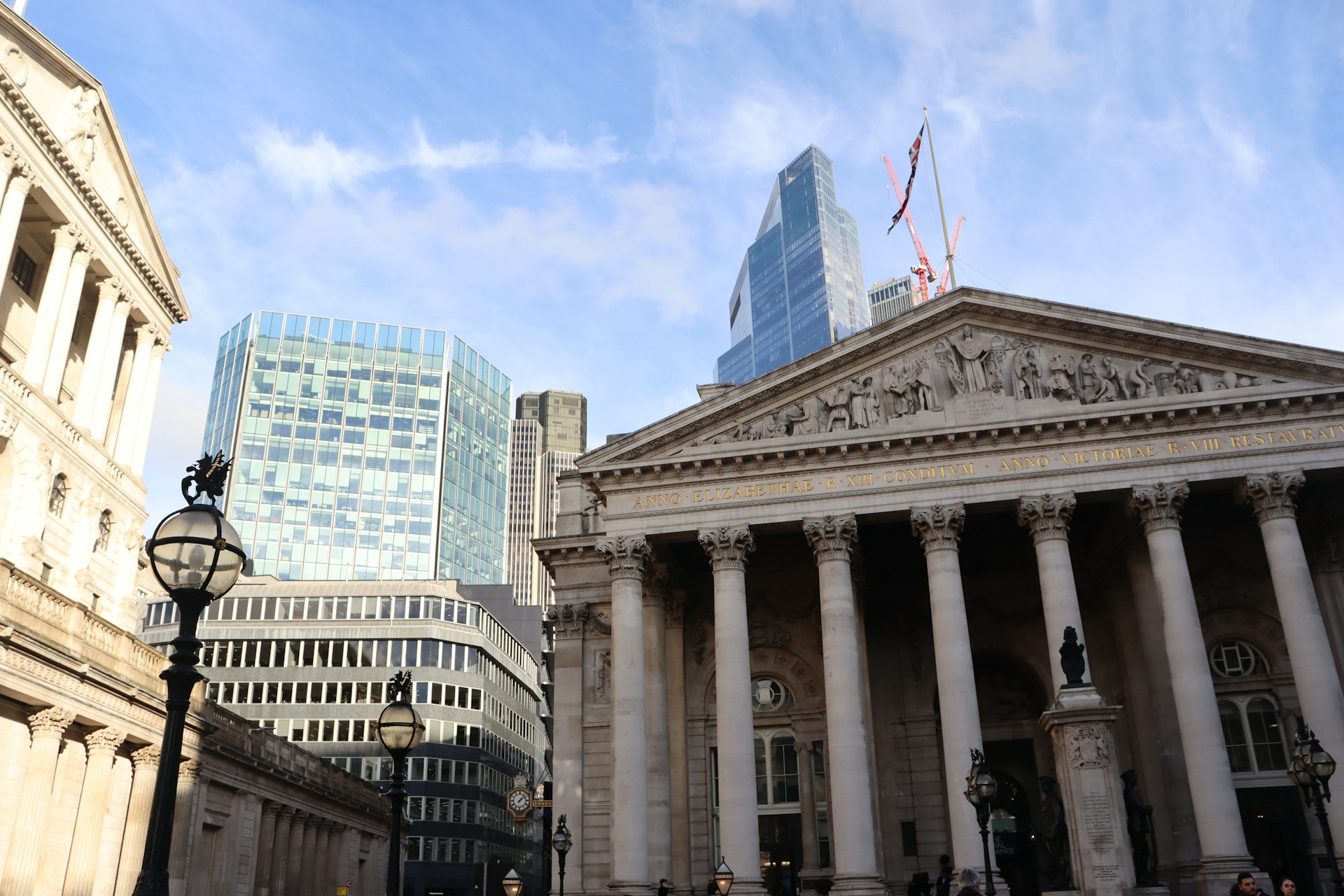

The flags are already up.
Not the temporary, last-minute kind that appear overnight once a squad is announced, but the permanent ones, zip-tied to lampposts, nailed to fences, stretched across the high streets. They’ve lasted through the winter and spring, and now they’re still up there, quietly waving and waiting for the summer of the 2026 FIFA World Cup.
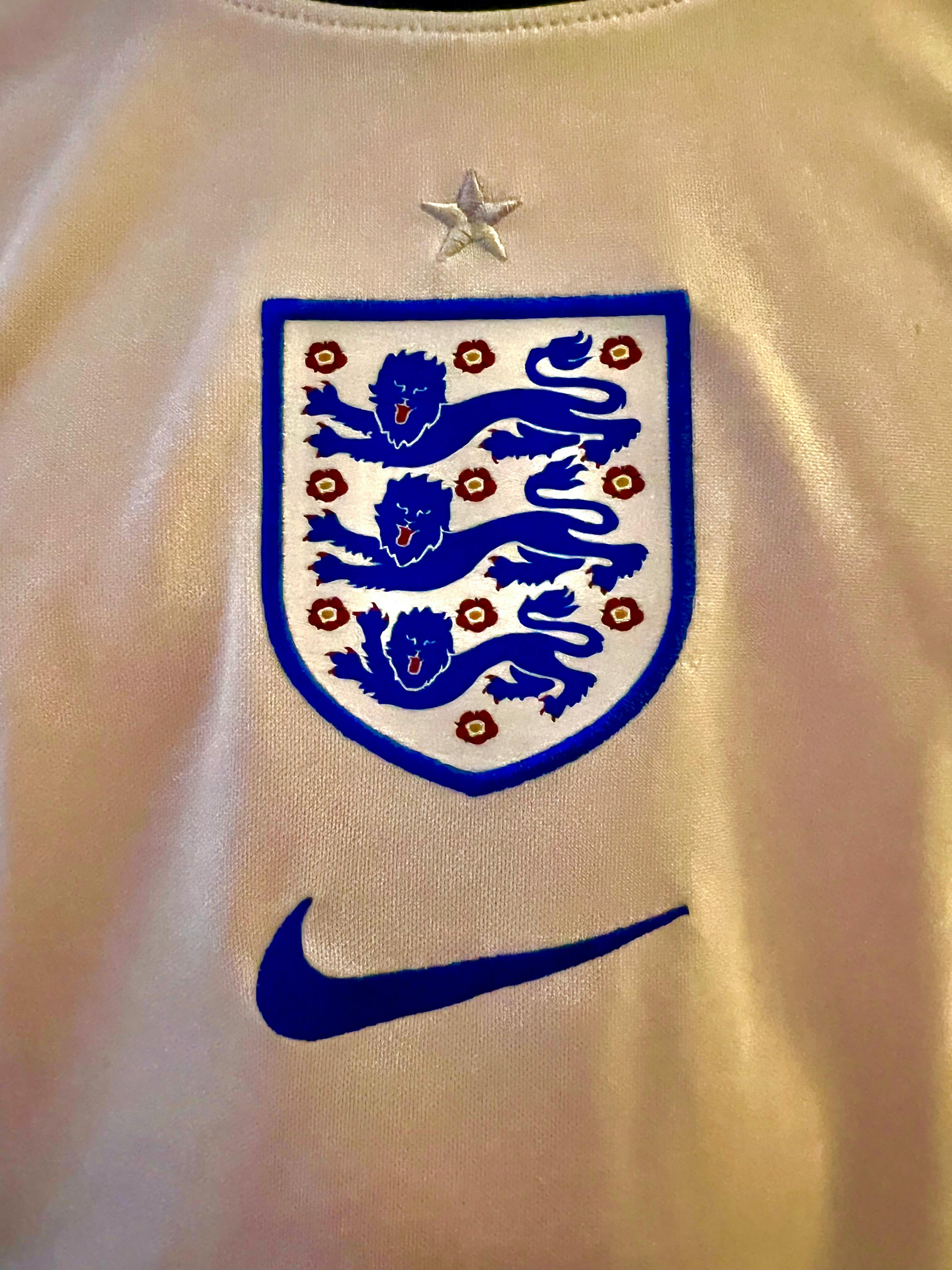
I should be excited—international tournaments are actually the only time I find myself voluntarily sitting in front of a screen to watch the full 90 minutes of any football game. Football summers are supposed to feel communal, with streets buzzing, strangers bonding over missed penalties, and joy spilling out of pubs. But this time, the feeling is heavier. It’s no longer blasé or innocent. Because this summer doesn’t just come with chants and England kits. It comes with politics already baked in.
In the UK, the surge in flag-flying hasn’t happened by accident. Campaigns like Operation Raise the Colours framed the widespread display of the Union Jack and St. George’s Cross as a revival of national pride. Sure, on paper, that sounds harmless, even wholesome. But context matters.
In many towns, these flags appeared alongside anti-migrant demonstrations, hostility toward asylum seekers, and heated discourse around “who Britain is for.” For some residents, particularly migrants and ethnic minorities, the sudden visibility of national symbols hasn’t felt celebratory but rather pointed.
A flag on a football shirt is not the same as a flag on a lamppost outside migrant housing. A flag waved in a stadium is not the same as one used to mark territory.
Polling by YouGov shows that more than half of ethnic minority adults in England now associate the St George’s Cross with racism or exclusion, rather than neutral patriotism. Even among the wider public, large numbers see mass flag-flying campaigns as politically motivated rather than purely cultural. Symbols absorb meaning from the moment they’re used, and right now, those meanings are contested.
This is where things get complicated, because football is patriotic. Or at least, it’s intended to be. At its best, football patriotism is temporary and playful. Yes, it’s loud, messy, and emotional, but not exclusionary. It allows space for irony, banter, and dual loyalties. You can cheer for England and still support another country, and you can most definitely wear the shirt without it defining your politics. It’s all about “love for the game” – not the border.
Nationalism switches the tone. It turns celebration into signaling, and it’s no longer about a match, it’s about identity. About permeance, who belongs and who doesn’t. It thrives on the idea of enemies, real or imagined, and it doesn’t switch off when the final whistle blows. When flags stop coming down after tournaments end, when they appear long before football begins, the line between pride and power starts to blur.
At what point does joy become territorial?
This is the part that’s rarely vocalized.
For migrants and minorities, national symbols don’t come with disclaimers. There’s no way to know if a flag represents shared excitement or quiet hostility. There’s no context menu – you’re just served with the risk. Is this person waving a flag because they love football or because they want to be seen making a statement? Are you welcome in that pub, or merely tolerated? Are you celebrating together or being observed?
These questions don’t stem from paranoia. They’ve emerged from patterns of learnt behaviors and experience – from moments when symbols meant exclusion, not unity. How else is a girl supposed to feel when the house two doors down from hers raised the Union Jack during the height of the “Operation Raise the Colours” campaign?
Moreover, research on migration discourse in the UK shows how political language increasingly frames migrants through the lenses of security and threat, shaping how everyday symbols are interpreted on the ground.
Football asks people to come together. Nationalism asks them to choose sides. And when the two collide, it’s migrants who are left doing the emotional mathematics.
This tension isn’t uniquely British. In the United States, nationalism has become an identity in itself, loudly branded, heavily aestheticised, and politically charged. Under the Trump administration, “America First” isn’t just a slogan, but a worldview that blends patriotism with suspicion, borders with morality, and belonging with loyalty tests.
Sport plays a role here too. Flags, anthems, and national imagery are woven tightly into political identity, leaving little room for ambiguity. If you’re not visibly “with us,” the implication is that you’re against.
Across both sides of the Atlantic, the message feels familiar: patriotism is no longer just about love, it’s about alignment.
So what happens when the World Cup ends? What will those flags mean then?
For some, they’ll always represent home, pride, and belonging. For others, they’ll remain loaded, reminders of a summer when celebration and exclusion coexisted.
The real question isn’t whether people should love their country or their team. It’s whether that love leaves space for everyone else to breathe.Because once the final whistle blows, the symbols don’t disappear, and neither do the people who had to learn how to read them.
.svg)
.svg)

.svg)
.svg)
.jpg)