What does a literary fiction writer have in common with Andrew Tate, Valentina Gomez, and Kanye West?
Well, they all face risk of arrest if they enter the UK. Or at least according to the Normal People author Sally Rooney herself, in a statement that was read out at the Sky Arts awards earlier this year.
Since then, on October 14th, Faber & Faber released a statement saying that “in full agreement with Sally”, they could no longer sell her works in the UK. This follows an article she wrote in The Irish Times in August, expressing indubitable support for Palestine Action through the profits from her work. Naturally, the announcement sparked massive outrage online.
There is an obvious temptation to frame this as a story about censorship. A bestselling author can no longer publish her books in Britain because of her political convictions. However, this is not censorship in its most conventional form. The government has not ordered bookshops to remove all copies of Rooney’s books from their shelves. It might be reasonable to want to prevent someone from using their profits towards funding a proscribed group. Few would dispute the principle that terrorism legislation ought to prevent money from reaching groups responsible for serious violence. But what actually makes a group a terrorist organisation in the first place?
Under the UK's Terrorism Act 2000, terrorism is not limited to acts that kill or injure people. The statutory definition can also encompass serious damage to property, provided that other legal conditions concerning purpose or intimidation are met. In other words, violence against people is not a prerequisite for conduct to fall within the legal definition of terrorism.
Palestine Action’s tactics have involved criminal damage targeting businesses and facilities associated with the Israeli military such as Thales in Glasgow and Elbit Systems UK in Bristol. Supporters characterise these activities as disruptive protest against Britain's involvement in the war in Gaza. The government, meanwhile, has argued that the group's conduct goes beyond legitimate protest and therefore meets the threshold for proscription. The group maintains that less than 1% of its demonstrations fit under the definition of terror.
Taking a look at other groups recently proscribed as terrorist in 2025, The Maniacs Murder Cult is a violent neo-Nazi network associated with the promotion of extreme violence. The Russian Imperial Movement is a white supremacist organisation linked to paramilitary training and extremist activity. Their inclusion on a counterterrorism list is unlikely to surprise many people.
Palestine Action presents a more contentious case. Its actions have largely centred on disrupting property and commercial operations rather than deliberately attacking civilians. That doesn’t place it outside the legal definition of terrorism, but when put against other groups, it does make the comparison a little uncomfortable.
Does spray painting an RAF plane or damaging drones created by defence company Elbit Systems really put the activist group on the same threat level as white supremacist neo nazis? In the same vein, the militant suffragettes used methods like smashing windows and arson in order to gain women the right to vote. Would their methods be treated differently under modern counterterrorism legislation?
If a group's activities fall within the legal definition of terrorism does that automatically make banning them the proportional response? The consequences of proscription extend well beyond the organisation itself. Under counterterrorism legislation, certain forms of support for a proscribed group can become criminal offences.
Which brings us back to Sally Rooney.
Whether or not you think she may be arrested if she enters the UK, or whether her books should continue to be distributed in the country, the publicity surrounding this controversy is undeniable.
The spectacle of one of the world's most popular novelists apparently being unable to publish in Britain is an extraordinarily effective way of drawing attention to both her political position and Palestine Action itself. People who had previously never heard of the organisation are now encountering its name in headlines about books, literary prizes and freedom of expression. The owner of one Belfast bookshop says the sales of Rooney’s books rocketed as people started “panic-buying”, leading to a ten-fold increase.
With the Supreme Court debating whether or not Palestine Action’s proscription is fair or not with the first day of the appeals process beginning on November 4th, this topic is particularly relevant.
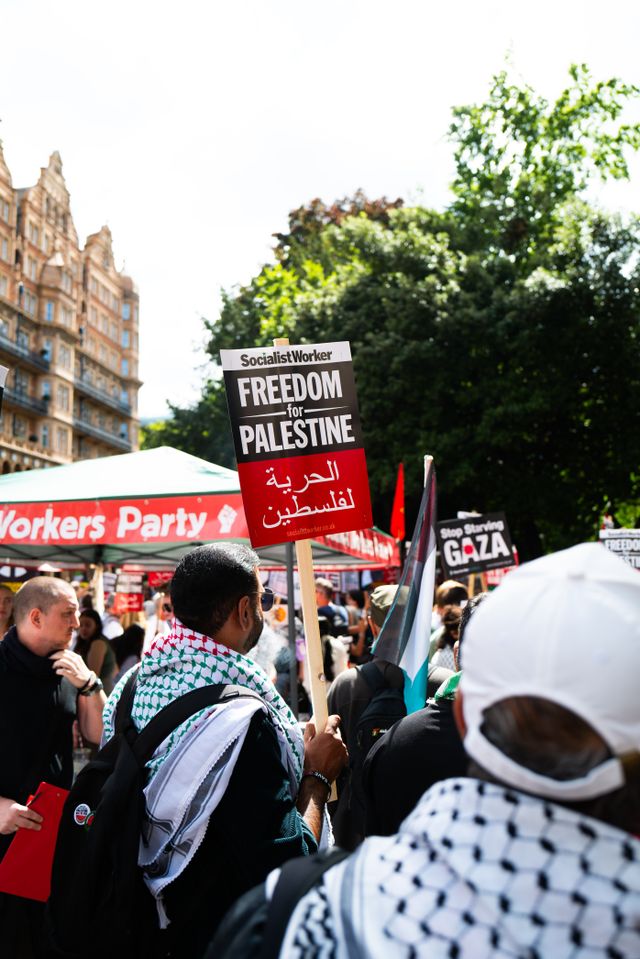
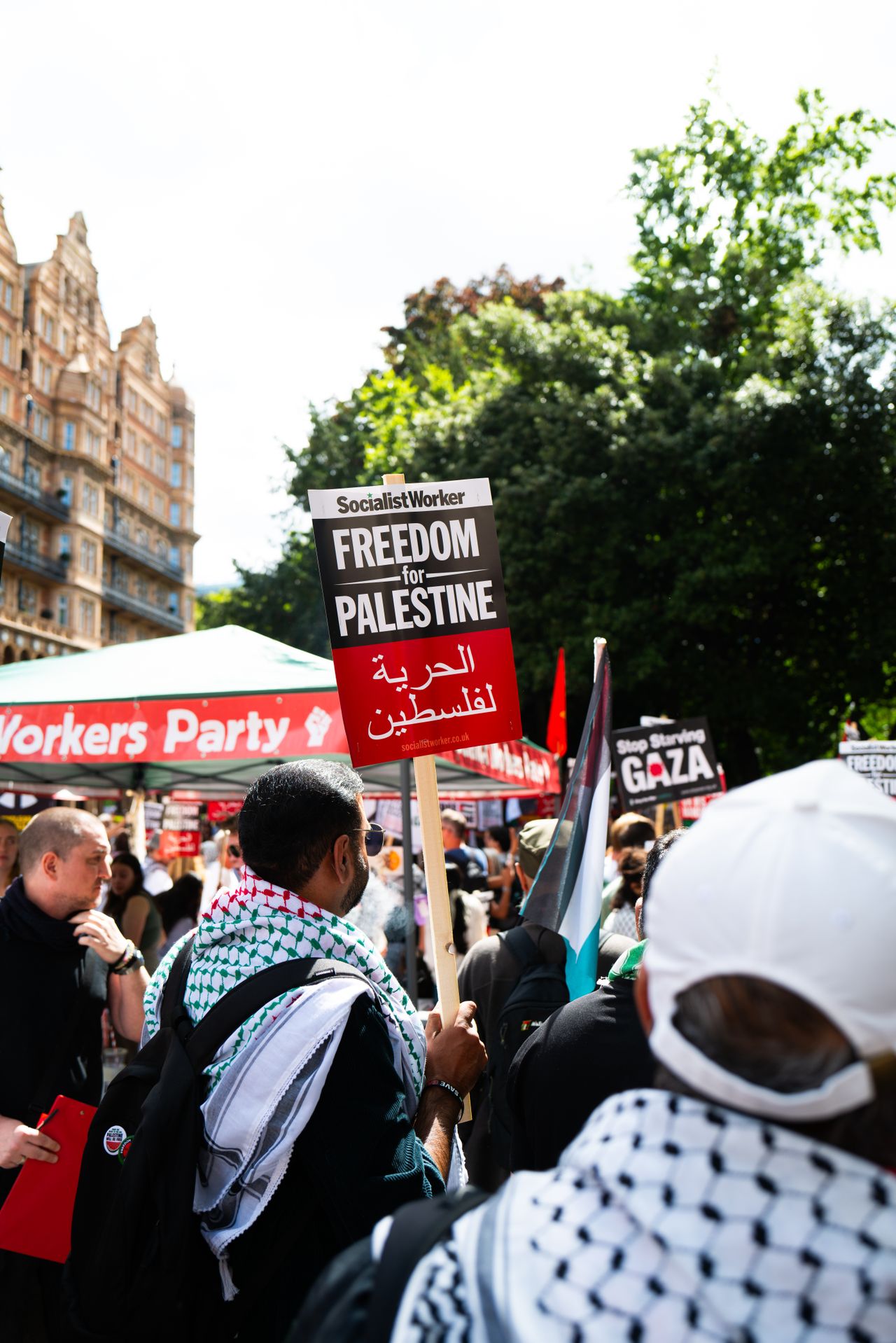
Sally Rooney may be famous enough to turn the controversy into headlines but normal people with considerably less reach than her may face stronger consequences. In April, 500 protesters between ages 18 to 87 were arrested at a demonstration against the Palestine Action ban. Whatever the Supreme Court decides, the question of who gets labelled a terrorist, and what happens to those who support them, should concern far more people than just Rooney. The label of terrorism must therefore be subject to rigorous scrutiny.